Home / Glossary / Storm Damage Restoration

Storm Damage Restoration Glossary

Understanding storm damage restoration starts with knowing the right terminology. Whether you're filing an insurance claim, speaking with a contractor, or assessing damage after a severe weather event, this glossary will help you navigate the process with confidence and make informed decisions about restoring your home.

Safe Pro Roofing
Safe Pro Roofing

Know the Terms, Know Your Options

Essential Terms Every Homeowner Should Know

Storm Damage Assessment
A storm damage assessment is a professional inspection conducted after a weather event to identify and document all damage to a property. Contractors and insurance adjusters use this evaluation to determine the scope of repairs needed. A thorough assessment covers the roof, siding, gutters, windows, and structural components of the home.
Roof Decking
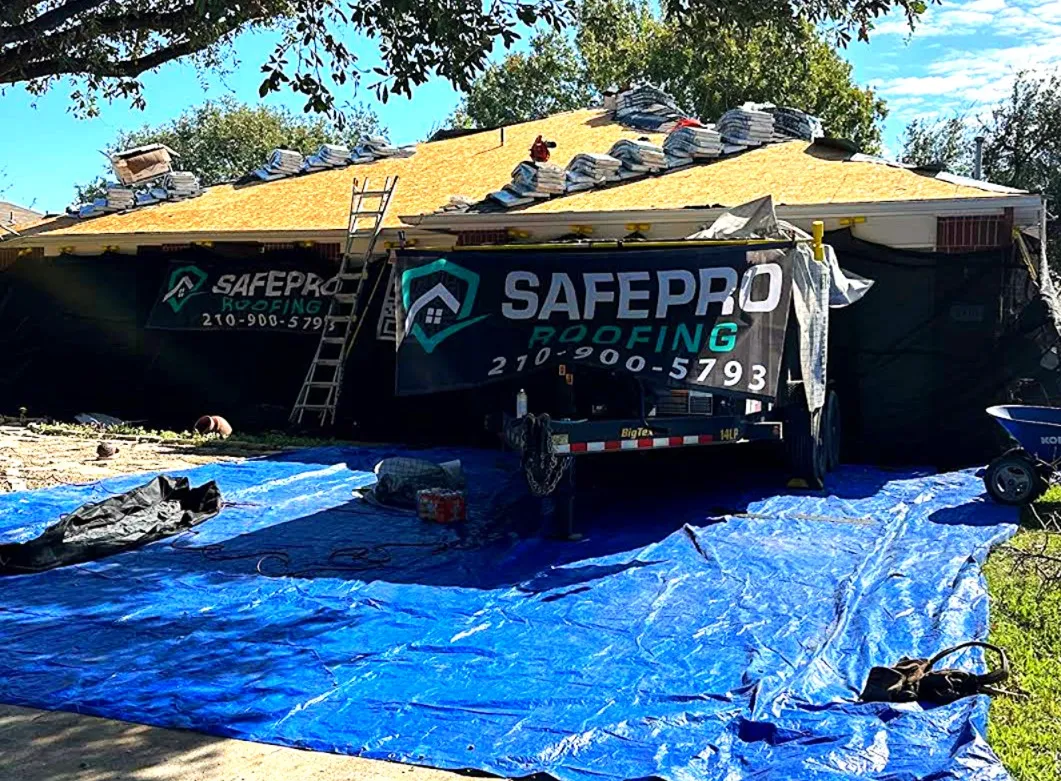
Roof decking, also called sheathing, is the structural layer of boards or panels that sit beneath your shingles and provide the surface to which roofing materials are attached. During severe storms, water intrusion or impact damage can compromise the decking, leading to rot, warping, or structural instability. Damaged decking must be replaced before new roofing materials are installed.
Hail Impact Damage
Hail impact damage refers to the dents, cracks, or granule loss left on roofing materials, siding, and gutters after a hailstorm. Even small hailstones can accelerate the aging of asphalt shingles by stripping protective granules and exposing the underlying mat. This type of damage is not always visible from the ground, making a professional inspection essential after any hail event.
Insurance Claim
An insurance claim is a formal request submitted to your homeowner’s insurance provider to cover the cost of storm-related repairs. The claims process typically involves an adjuster visit, damage documentation, and an approved repair estimate. Understanding your policy’s coverage terms, deductibles, and exclusions is critical to ensuring you receive fair compensation for storm damage.

Supplemental Claim
A supplemental claim is an additional request submitted to your insurance company when new or previously overlooked damage is discovered after the initial claim has been settled. Storm damage is not always immediately visible, and additional issues can surface during the repair process. Filing a supplement ensures that all legitimate damage is accounted for and covered under your policy.
Wind Uplift
Wind uplift is the upward force exerted on a roof structure during high winds, which can loosen or remove shingles, flashing, and other roofing components. Roofing systems are rated for specific wind speeds, and damage occurs when those thresholds are exceeded. Signs of wind uplift damage include lifted or missing shingles, exposed underlayment, and detached ridge caps.
Flashing
Flashing refers to thin sheets of metal installed at roof intersections, around chimneys, skylights, and vents to create a watertight seal and prevent water infiltration. Storms can bend, crack, or dislodge flashing, creating entry points for water that can lead to interior leaks and structural damage. Inspecting and repairing flashing after a storm is a critical step in the restoration process.
Temporary Repairs
Temporary repairs are short-term protective measures taken immediately after storm damage to prevent further deterioration while permanent restoration is planned and scheduled. Common temporary repairs include tarping damaged roof sections, boarding up broken windows, and sealing exposed areas. Documenting temporary repairs with photos is important for supporting your insurance claim.

Trusted by Homeowners

Why Choose Safepro Roofing

Safe Pro Roofing

Take the Next Step

Protect Your Home After the Storm

Now that you know the key terms, you're better equipped to handle storm damage with confidence. Connect with our team to schedule an inspection and start your restoration the right way.

This field is for validation purposes and should be left unchanged.
Name(Required)
Street Address(Required)