• New siding can protect your home from moisture, wind, and daily wear while improving curb appeal at the same time. In Leon Valley, TX, spring weather can make older siding problems show up fast, so acting early matters.
• A proper siding project starts with inspection, careful measuring, damage removal, and the right weather barrier before new material goes up. Each step helps prevent costly mistakes and supports a cleaner, longer-lasting result.
• DIY siding work can lead to hidden damage, poor fastening, and weak edge sealing if the job is rushed. Learning the common mistakes and key benefits can help homeowners make smarter choices and protect their property.
Why Siding Matters for Homes in Spring
Spring in Leon Valley brings warm days, light rain, and rising humidity, which can expose weak spots on a home’s exterior. When siding is loose, cracked, or aging, water can slip behind it and cause bigger problems over time. That is why siding installation benefits for homes should be on every homeowner’s radar before minor damage turns into a costly repair.
A home’s siding does more than change the way it looks from the street. It helps guard the walls from weather, pests, and day-to-day wear while also supporting better comfort inside the home. When we help homeowners with siding services, we often see how much of a difference the right materials can make right away.
If your exterior already shows signs of fading, cracking, or swelling, waiting can make the issue harder to manage. Spring is a smart time to act because the weather is usually better for exterior work and small issues are easier to spot. Taking care of the outside now can help protect the inside later.
How New Siding Helps Protect Your Home
New siding can do a lot more than freshen up a house. It can help seal out moisture, reduce drafts, and give your home a cleaner, more finished look. For many homeowners, the biggest siding installation benefits for homes come from the mix of protection, comfort, and better curb appeal.
In a place like Leon Valley, where spring weather can shift fast, a strong exterior matters. Good siding helps create a barrier against wind-driven rain and daily sun exposure, both of which can wear down older materials. It can also support better energy use by helping your home hold indoor temperatures more steadily.
Step-By-Step Guide to New Siding
🔍 Step 1: Inspect the Current Exterior
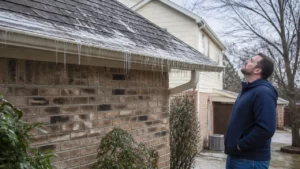
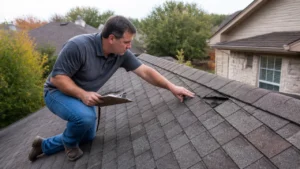
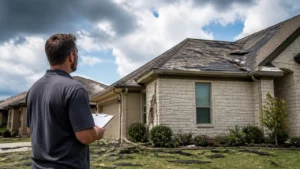
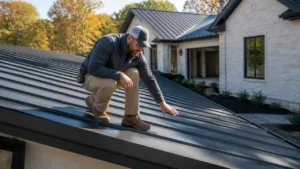
Walk around your home and look for cracks, soft spots, loose boards, or faded sections. These signs often point to damage that may be letting in moisture or air.
🧹 Step 2: Clear the Work Area
Move outdoor furniture, plants, and other items away from the walls. This gives the crew safe access and helps prevent damage during the job.
📏 Step 3: Measure the Walls Accurately
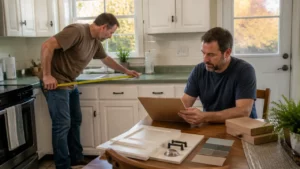
Take careful measurements of each side of the home so material needs are clear. Accurate sizing helps reduce waste and keeps the project moving at a steady pace.
🛠️ Step 4: Remove Damaged Siding
Pull off the old material where needed and check the surface underneath. This step matters because hidden damage has to be fixed before new siding goes up.
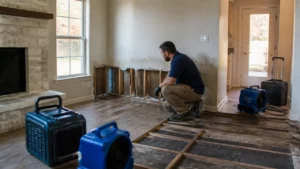
🧱 Step 5: Check for Moisture or Rot
Inspect the sheathing and framing for soft wood, mold, or water stains. If those issues are ignored, the new siding may cover a problem instead of solving it.
🧰 Step 6: Install a Protective Barrier
Add the proper weather-resistant layer before hanging the new siding. This extra layer helps block moisture and gives the wall added protection.
🔩 Step 7: Secure the New Siding Correctly
Attach each panel or board with the right spacing and fastening method. Proper installation helps the siding handle heat changes and movement over time.
✅ Step 8: Finish and Inspect the Details
Check trim, corners, and sealed edges for a neat fit. A final inspection helps make sure the home is protected and the finished look is even.
Common DIY Siding Mistakes
Many homeowners want to save money by doing siding work themselves, but small errors can lead to bigger repair needs later. The most common problems usually come from rushing, guessing on materials, or skipping important prep work. Knowing where DIY projects go wrong can help you avoid damage and extra costs.
- ⚠️ Mistake 1: Skipping the Full Inspection
Some people install new siding without checking for hidden water damage or rot underneath. This usually happens when the outside looks bad but the deeper issues are missed, and it can lead to trapped moisture and faster failure. The best way to prevent this is to inspect the wall surface carefully before any new material goes up. - ⚠️ Mistake 2: Measuring Too Quickly
Rough measurements can leave you short on materials or stuck with too much waste. This often happens when people try to save time, but even small errors can throw off the whole job. Careful measuring helps keep the project organized and prevents delays. - ⚠️ Mistake 3: Forgetting the Weather Barrier
Leaving out the protective layer behind the siding can expose the home to moisture damage. This mistake often happens when someone focuses only on the visible part of the job and overlooks what sits underneath. A proper barrier is needed to help protect the wall system. - ⚠️ Mistake 4: Fastening Panels Incorrectly
Nailing or securing siding too tightly can cause panels to warp or buckle as temperatures change. This usually happens when people do not follow the movement space the material needs. Correct fastening helps the siding stay in place and last longer. - ⚠️ Mistake 5: Ignoring Trim and Edge Details
Uneven corners and loose trim can let water sneak behind the new siding. This problem often shows up when the main panels are installed first and the smaller finish work is rushed. Paying attention to the edges helps the home stay sealed and neat.
Frequently Asked Questions
What are the main siding installation benefits for homes?
Yes, new siding can improve protection, curb appeal, and indoor comfort at the same time. It helps shield the home from weather while also giving the exterior a cleaner look. For many homeowners, the added value is one of the biggest reasons to replace old siding.
How do I know if my home needs new siding?
Yes, visible cracks, warping, fading, or soft spots are common signs that siding may need attention. If you notice rising indoor drafts or moisture near the walls, the exterior may no longer be sealing properly. An inspection can help confirm whether repair or replacement is the better choice.
Does new siding help with energy use?
Yes, new siding can help reduce air leaks when it is installed correctly with the right backing materials. That can make it easier for your home to stay cooler in spring and warmer in colder months. Better wall protection can also support more stable indoor comfort.
How long does siding usually last?
Yes, siding life depends on the material, weather, and how well it is maintained. Some types hold up for many years, but damage from sun, rain, and poor upkeep can shorten that time. Regular checks help you spot problems before they spread.
Why is spring a good time for siding work in Leon Valley, TX?
Yes, spring is often a good season for exterior work because weather conditions are usually more manageable. Mild temperatures can make the installation process smoother and help crews spot damage left behind by winter wear. It is also a smart time to prepare the home before summer heat arrives.
Wrapping Up Your Siding Project
Choosing the right siding is one of the best ways to protect a home and improve how it looks and feels. When the work is done with care, siding installation benefits for homes can be seen in better comfort, stronger weather defense, and a cleaner exterior. That is especially true in Leon Valley, where spring weather can bring moisture and sun exposure that test older materials.
A good siding project starts with careful prep, steady installation, and attention to the details that keep water out. By taking the time to do it right, homeowners can avoid common mistakes and get results that last. To keep up with our latest work and updates, follow us on Instagram.