• Filing a storm damage insurance claim quickly can help protect your home from bigger repair issues and keep the process moving after severe weather.
• Clear photos, policy review, and steady follow-up are key steps that can make the claim process easier to manage and support your case.
• Avoiding common mistakes like waiting too long, skipping documentation, or overlooking small damage can help you get a stronger result.
Why Timing Matters After Storm Damage
When a storm hits Round Rock, TX, the damage is not always easy to spot right away. A missing shingle, a soft spot on the roof, or a small leak can turn into a bigger problem fast. That is why it helps to act quickly when you need how to file a storm damage insurance claim. If you wait too long, the damage can spread and make the claim process harder to manage.
We know many homeowners feel stressed after strong winds or hail move through the area. The good news is that clear steps can help you stay organized and avoid extra delays. If you need support along the way, our insurance claim help can make the process easier to handle. The sooner you begin, the better your chances of keeping the repair process on track.
Storm damage can affect more than just the roof itself. It can also lead to water intrusion, damaged flashing, and problems inside the home if repairs are delayed. That is why we always encourage property owners to stay alert after severe weather. A quick response gives you a better chance to document the damage while it is still fresh and easy to confirm.
What We Recommend After a Storm
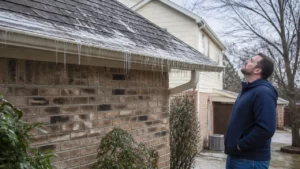
The first thing we tell homeowners is to look for signs of damage as soon as it is safe. You do not need to climb onto the roof to know something is wrong, because ground-level checks can still reveal missing shingles, dented vents, or debris in gutters. Taking photos and notes right away can help support the claim later. Clear records often make the conversation with your insurer smoother.
We also recommend understanding what your policy covers before you contact the insurance company. Many claims move more smoothly when the homeowner has basic details ready, including the date of the storm and the type of damage seen. If the roof is still exposed, temporary protection may also help limit added issues before repairs begin. Acting with care at this stage can save time and reduce stress during the rest of the process.
Step-by-Step Guide to File a Claim
🛡️ Step 1: Make sure the area is safe
Stay off the roof if it looks unstable or slippery. Your safety comes first, and it is better to wait for a proper inspection than risk injury.
📸 Step 2: Document the damage
Take clear photos of the roof, gutters, siding, and any interior spots affected by leaks. Good records help show what happened and when it happened.
📄 Step 3: Review your policy details
Check what your homeowners policy says about storm damage, deductibles, and filing deadlines. Knowing these details early helps you avoid delays and confusion.
📞 Step 4: Contact your insurance company
Report the damage as soon as possible and explain what you saw. This starts the claim process and gives you a claim number for future reference.
📝 Step 5: Keep a record of all communication
Write down dates, names, and what was discussed during each call or visit. These notes can help if questions come up later in the claim.
🔍 Step 6: Schedule a professional roof inspection
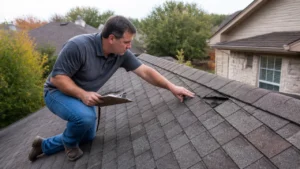
A trained roofer can identify damage that may not be easy to see from the ground. This step helps support your claim with a clearer picture of the roof’s condition.
⏳ Step 7: Arrange temporary protection if needed
If water is getting inside, temporary tarping may help stop more damage. This is often important because insurers expect homeowners to make reasonable efforts to limit further loss.
✅ Step 8: Follow up until the claim moves forward
Stay in contact with the insurer and respond quickly to requests for more information. A steady follow-up routine helps keep the claim from stalling.
Common Mistakes to Avoid
A storm claim can go off track when small details are missed. Many homeowners try to move too fast or wait too long, and that can weaken the claim. Knowing the most common mistakes helps you protect both your home and your paperwork.
- ⚠️ Mistake 1: Waiting too long to report the damage
Some people delay because they are busy or think the damage is minor. That delay can make the problem worse and may create questions for the insurer, so it is best to report the issue as soon as possible. - ⚠️ Mistake 2: Not taking enough photos
Homeowners sometimes snap only one or two pictures and assume that is enough. A stronger record includes wide shots, close-ups, and images of related damage, which helps show the full impact of the storm. - ⚠️ Mistake 3: Climbing onto the roof without training
People often want to check everything themselves right away. That can be dangerous, so it is better to stay safe and let a qualified roofer inspect hard-to-reach areas. - ⚠️ Mistake 4: Forgetting to save claim details
It is easy to lose track of names, dates, and call notes during a stressful time. Keeping a simple log from the start helps you answer questions and follow the claim more easily. - ⚠️ Mistake 5: Ignoring small damage after the storm
Some homeowners assume small dents or missing shingles can wait. Even minor issues can lead to leaks or larger repairs later, so it is smart to address them early.
Frequently Asked Questions
How soon should I file a storm damage insurance claim?
You should file a storm damage insurance claim as soon as you confirm there is damage. Quick reporting helps keep the process moving and can reduce the chance of added issues from delays.
What should I do first after storm damage to my roof?
You should first make sure the area is safe and then document the damage. Taking photos and notes right away gives you a stronger record when you file the claim.
Do I need a roofer before I file a claim?
Yes, a roofer can help document the damage and explain what likely needs repair. That support can make how to file a storm damage insurance claim much easier to manage because you have clearer proof of the damage.
Can I file a claim if I only see small damage?
Yes, you can still file a claim if the damage looks small. What seems minor on the surface may still point to a bigger problem that needs attention.
What records should I keep during the claim process?
You should keep photos, dates, call notes, claim numbers, and any letters or emails from the insurer. These records help you stay organized and make it easier to track the next steps.
Stay Ready After the Storm
Filing a claim starts with quick action, clear records, and the right support. When you follow the steps in order, you give yourself a better chance to move through the process with less stress. That is especially important in Round Rock, TX, where storm damage can show up fast and spread if it is ignored.
We believe the best results come from staying calm, staying organized, and acting early. If you want to keep up with our work and see what we share for local homeowners, follow us on Instagram.