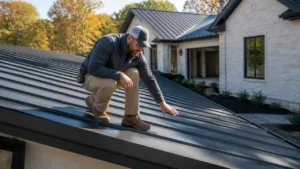
• Fast action after roof damage helps protect your home, support your insurance claim, and prevent small issues from turning into bigger repairs.
• A clear claim process includes inspection, photos, notes, paperwork, and follow-up so the insurance review stays organized and easier to move forward.
• Avoiding common mistakes like weak photos, late reporting, and delayed repairs can save time and improve the chances of a smoother claim outcome.
Why Roof Damage Claims Need Fast Action
When a storm hits Leon Valley, roof damage can create stress fast and leave your home exposed to more problems. Delays can make small issues worse, and that can affect both repairs and the claim process. If you need help, our insurance claim support can help you stay on track from the start. Taking quick action also helps you keep clear records before more weather moves in.
Many homeowners are not sure what counts as damage or what their insurance company may need. That gap can slow things down and lead to missed details that matter later. We know how important it is to act while the evidence is still fresh and easy to document. A strong start can make the rest of the process much smoother.
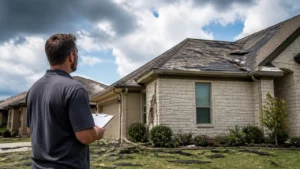
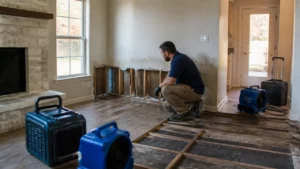
Summer weather in Leon Valley can bring heavy rain, strong wind, and sudden hail that leave roofs in rough shape. Even damage that looks small may still lead to leaks, water stains, or hidden issues under the shingles. When you move quickly, you give yourself a better chance to keep the problem from spreading. That is why the first steps matter so much after a storm.
What We Do to Support the Claim Process
We help homeowners sort out the damage, gather the right details, and understand what to send to the insurance company. Clear photos, notes, and a solid repair plan can help make the claim easier to review. Our team focuses on making the process simple, so you do not feel stuck guessing what comes next. That kind of support matters when time and weather are both working against you.
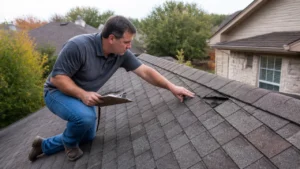
A roof claim often goes more smoothly when the damage is checked early and the next steps are handled in order. We look for signs that may not be easy to spot from the ground, including lifted shingles, missing sections, and impact marks. By staying organized and careful, we help homeowners avoid delays that can come from incomplete information. The goal is to move from damage to repair with less stress.
How to Handle a Roof Damage Claim
📋 Step 1: Check the roof after the storm
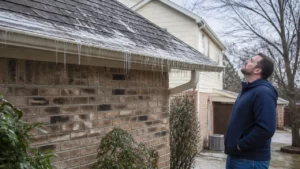
Look for visible signs of damage from the ground first, such as missing shingles, debris, or water spots inside the home. This helps you understand the scope of the problem before you move forward. A quick check can also help you decide if the roof needs urgent attention.
📸 Step 2: Take clear photos and notes
Document the damage as soon as it is safe to do so, and include both wide shots and close-up images. Write down the date of the storm and any signs of leaks or interior damage. Good records can make it easier to explain the loss to the insurance company.
📞 Step 3: Contact your insurance company
Report the damage quickly so the claim can start moving. Be ready to share your notes, photos, and policy details. Fast reporting can help avoid delays and keep the process moving in the right direction.
🛠️ Step 4: Get a roof inspection
Have the roof checked by a qualified roofing professional to confirm the damage and identify hidden problems. Some issues are not obvious from the ground, especially after wind or hail. A full inspection can help support the claim with more accurate details.
📝 Step 5: Review the repair estimate
Go over the estimate carefully so you understand what work is needed and why. This helps you stay informed before any repair begins. A clear estimate can also make it easier to compare the claim details with the roof’s actual condition.
📂 Step 6: Send the claim paperwork
Submit all requested forms, photos, and inspection notes in one organized set when possible. Missing papers can slow down the review process. Keeping everything together helps show the damage clearly and reduces back-and-forth.
🔍 Step 7: Follow up on the claim status
Check in with the insurance company if you have not heard back in a reasonable amount of time. Claims can stall when details are missing or need another look. Staying in contact helps keep the file active and helps you know what comes next.
🏠 Step 8: Schedule the repair work
Once the claim is approved, set the repair plan in motion right away. Waiting too long can leave the roof open to more weather damage. Quick repairs help protect your home and bring things back to normal sooner.
Common Mistakes to Avoid
Many homeowners try to handle roof damage claims on their own and miss key steps along the way. That can lead to delays, weak documentation, or confusion about what the insurance company needs. Knowing the most common mistakes can help you avoid setbacks and keep the process moving.
– ⚠️ Mistake 1: Waiting too long to inspect the roof
This happens when people assume the damage is minor or plan to check it later. The problem is that storms can leave hidden issues that get worse fast, especially in summer weather. To prevent this, inspect the roof as soon as it is safe and document what you see right away.
– 🚫 Mistake 2: Using blurry or incomplete photos
This often happens when homeowners rush or only take a few pictures from far away. Poor images can make it harder to show the real damage and may slow the claim review. Prevent this by taking clear photos from several angles and including close-ups of the affected areas.
– ❌ Mistake 3: Filing the claim without enough details
People may leave out the storm date, damage signs, or repair notes because they think the insurance company will figure it out. Missing details can create questions and delay approval. The best way to avoid this is to keep a simple record of what happened and send everything together.
– ⚠️ Mistake 4: Skipping a professional roof inspection
Homeowners sometimes rely only on what they can see from the ground. That can miss hidden damage under shingles or around flashing, which may affect the repair plan. A professional inspection helps confirm the full extent of the damage and supports the claim with stronger evidence.
– 🚫 Mistake 5: Delaying repairs after approval
This usually happens when homeowners wait for a better time or hope the damage will not get worse. The risk is that exposed areas can lead to leaks and more costly problems. To prevent this, schedule the repair work as soon as the claim is approved.
Frequently Asked Questions
What should I do first after roof damage?
Yes, the first step is to check for visible damage and document it safely. Take photos, note the storm date, and contact your insurance company as soon as possible. Fast action helps protect your home and keeps the claim process moving.
Does insurance usually cover storm damage to a roof?
Yes, many policies cover roof damage caused by covered storm events such as wind or hail. The key is showing that the damage came from a covered event and not from old wear and tear. Insurance claim assistance for roof damage can help you organize the proof needed for review.
How do I know if my roof damage is serious?
Yes, damage can be serious even if it looks small from the ground. Missing shingles, leaks, ceiling stains, and lifted edges are common warning signs that should not be ignored. A roof inspection can confirm whether the damage needs fast repair.
What documents do I need for a roof claim?
Yes, you usually need photos, notes about the storm, your policy details, and a repair estimate or inspection report. Keeping these items together makes it easier for the insurance company to review your claim. Clear records can also help prevent delays.
How long does the roof claim process take?
Yes, the timeline can vary based on the damage, the insurance company, and how complete your paperwork is. Claims may move faster when you report the loss early and provide clear documentation. Staying organized helps reduce delays and keeps the process on track.
Final Steps for a Strong Claim
Handling roof damage the right way starts with quick action, good records, and a clear plan. When you know what to do first, it becomes easier to protect your home and support your claim. In Leon Valley, summer storms can create real roof problems, so staying prepared matters.
We help homeowners move through the process with less confusion and more confidence. From the first inspection to the final repair, each step matters when you are dealing with roof damage and insurance paperwork. For more updates from our team, follow us on social media.