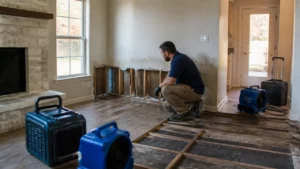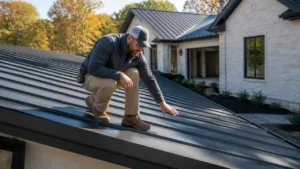
• Storm damage inside a home can spread quickly in Corpus Christi’s summer heat, so fast action matters. The blog explains why early cleanup and repair can help protect walls, floors, and hidden spaces from bigger issues.
• The article shares practical tips for handling interior restoration after storm damage, including how to spot moisture, improve drying, and document what happened. It also covers warning signs like musty smells, soft drywall, and water stains.
• Readers will also find clear answers to common questions about storm recovery, repair timing, and long-term damage prevention. The goal is to help homeowners feel more prepared, informed, and ready to act when storm damage appears.
Why Summer Storm Damage Needs Fast Action
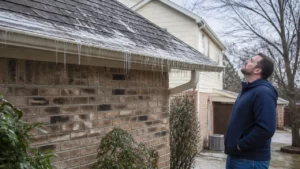
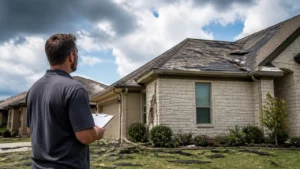
July storms in Corpus Christi can leave homes dealing with water, staining, and hidden interior damage fast. When that happens, interior restoration after storm damage should start right away to help keep the problem from spreading. Delays can let moisture settle into walls, floors, and insulation, making repairs harder later. Acting early gives your home a better chance at drying out and recovering well.
Even small leaks can turn into bigger issues when summer heat and humidity stay in the air. That mix can trap moisture indoors and create weak spots in drywall, trim, and flooring. Our team knows how quickly storm damage can move from one room to another, so we treat each sign with care. If you need help after a storm, our interior restoration services are built to respond with speed and focus.
Homeowners often notice the visible mess first, but the real concern is what they cannot see. Water can sit behind walls, under baseboards, and inside cabinets long after the surface looks dry. That is why a quick response matters so much during Corpus Christi’s storm season. The sooner the damage is handled, the better the outcome for the home and the people living in it.
How We Handle Interior Recovery Right
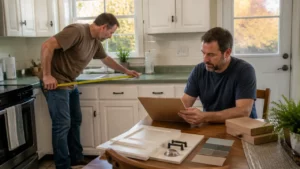
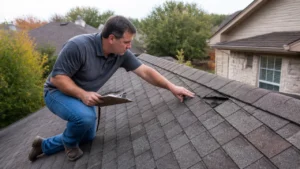
A good recovery plan starts with a careful look at the full space, not just the most obvious damage. We check for moisture, soft spots, stains, and signs that water has moved into hidden areas. This helps us decide what can be saved and what needs to be replaced. It also keeps the repair work focused and efficient from the start.
Once the damage is mapped out, we move into drying, cleanup, and repair with a clear plan. That may include removing wet materials, restoring surfaces, and making sure the room is ready for normal use again. interior restoration after storm damage is not just about fixing what looks bad; it is about helping your home return to a safe and usable condition. Our goal is to restore the space in a way that feels steady, clean, and ready for daily life.
Tips From The Pros
🕵️ Tip 1: Check for hidden water fast
Look for damp spots on walls, ceilings, and baseboards after a storm. Even a small stain can point to moisture trapped behind the surface.
🌡️ Tip 2: Keep indoor humidity down
Warm, humid weather can slow drying and let damage spread. Use fans and dehumidifiers as soon as it is safe to do so.
🚪 Tip 3: Open up affected spaces
Let air move through rooms with storm damage when possible. Good airflow can help reduce moisture buildup in walls, floors, and cabinets.
🧰 Tip 4: Remove wet items quickly
Carpets, rugs, and furniture can hold water long after the storm passes. Taking them out of the way helps speed up the drying process.
📸 Tip 5: Take clear damage photos
Photos help track what was affected and when the damage was found. They can also support your repair and insurance records later.
🧼 Tip 6: Clean up safely
Wear gloves and avoid touching soaked materials with bare hands. Storm water can carry dirt and bacteria, so safe cleanup matters.
🔍 Tip 7: Watch for musty smells
A strong musty smell can mean moisture is still trapped inside the home. That odor often shows up before mold becomes easy to see.
📋 Tip 8: Act before repairs get bigger
Waiting too long can allow damage to spread to more rooms. Fast action can lower repair needs and help protect the rest of the home.
Frequently Asked Questions
What is interior restoration after storm damage?
Yes, it is the process of repairing indoor areas damaged by wind, rain, or flooding from a storm. This can include drying, cleanup, replacing damaged materials, and restoring the room so it is safe and usable again.
How soon should storm damage inside a home be fixed?
Yes, it should be handled as soon as possible. Moisture can spread quickly into walls, floors, and insulation, which can make the damage worse over time.
What signs show I need interior restoration after storm damage?
Yes, common signs include water stains, peeling paint, warped flooring, damp drywall, and a musty smell. These are all clues that water may still be affecting the home inside.
Can interior storm damage get worse in hot weather?
Yes, warm and humid weather can make moisture problems more serious. In a place like Corpus Christi, trapped water can lead to more interior damage if it is not addressed quickly.
Does interior restoration after storm damage help prevent long-term issues?
Yes, fast restoration can help limit mold, structural wear, and further water spread. Taking care of the damage early gives the home a better chance of recovering fully.
Final Thoughts on Storm Recovery
Storm damage inside a home can move fast, especially during a wet summer in Corpus Christi. Taking quick action helps protect your space, reduce further loss, and keep repairs on track. interior restoration after storm damage is one of the most important steps in getting a home back to normal. When the signs are there, a prompt response can make a real difference.
We are here to help homeowners move through the repair process with care and confidence. From the first sign of water damage to the final repair details, our team works to restore comfort and safety indoors. If you want to see more of what we do, feel free to follow us on social media.