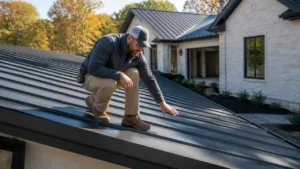
• A roof maintenance checklist before fall season helps catch small problems before cooler weather brings heavier rain and stronger wind.
• Key steps include checking shingles, cleaning gutters, inspecting flashing, and looking for attic moisture or heat buildup.
• Avoid common DIY mistakes by inspecting all areas carefully and calling a roofing professional when damage, stains, or leaks appear.
Why Fall Roof Prep Matters in Live Oak
Late summer heat in Live Oak can hide roof trouble that gets worse once cooler weather arrives. A small issue today can turn into a leak, stained ceilings, or damaged insulation later. That is why our roof maintenance checklist before fall season matters for homes that face strong sun, heavy rain, and sudden storms.
When we check a roof early, we have more time to catch loose shingles, clogged gutters, and worn flashing before they cause real damage. Many roof problems start small and stay out of sight until water finds a way in. If you wait too long, repairs often cost more and take longer to handle.
Our team knows that a roof works hardest when weather shifts fast, especially in South Texas. We help homeowners stay ahead of stress by spotting weak points before fall brings more rain and wind. If you want a simple place to start, our residential roofing services page is a helpful next step for learning how we support local homes.
What We Check Before Fall Arrives
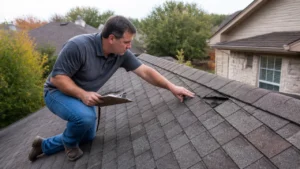
We start with the roof surface because cracked, curled, or missing shingles can let water in during the next storm. We also look at flashing around vents, chimneys, and roof edges since those spots often fail first when weather changes. A careful check now helps us find problems before they spread to the wood below.
Gutters matter just as much because leaves, dirt, and debris can block water flow and push it back toward the roof. We also look at attic airflow, since trapped heat and moisture can shorten roof life and raise the chance of damage. In many homes, a good roof maintenance checklist before fall season includes both the outside roof and the space under it.
Step-by-Step Roof Maintenance Guide
📝 Step 1: Make a Simple Inspection Plan
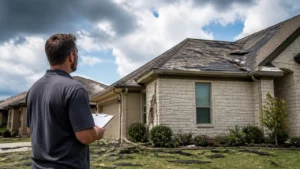
Start by walking around the home and looking at the roof from the ground. Use a clear plan so you can check the same areas each time and avoid missing weak spots.
🔍 Step 2: Check for Shingle Damage
Look for shingles that are loose, curling, cracked, or missing. These signs matter because damaged shingles can let water reach the layers below.
🛠️ Step 3: Inspect Flashing and Roof Edges
Pay close attention to metal flashing around vents, skylights, and chimneys. These areas often fail before the rest of the roof, which makes them a common source of leaks.
🧹 Step 4: Clean the Gutters
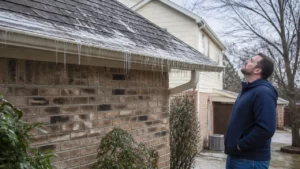
Remove leaves, dirt, and other buildup so water can move away from the roof. Clogged gutters can back water up and lead to damage along the roofline and fascia.
🌬️ Step 5: Check Attic Ventilation
Look for signs of trapped heat, moisture, or poor airflow in the attic. Good ventilation helps reduce strain on roofing materials and supports longer roof life.
💧 Step 6: Look for Signs of Water Intrusion
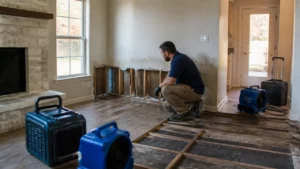
Check ceilings, attic wood, and insulation for stains, damp spots, or musty smells. These signs can point to a roof leak even when the outside roof looks fine.
📸 Step 7: Document Anything Unusual
Take notes or photos of damaged spots so you can track changes over time. This makes it easier to compare what you saw before fall and notice if something gets worse.
📅 Step 8: Schedule a Professional Roof Check
Have a trained roofer review anything that looks unclear or unsafe. A professional can spot problems that are easy to miss from the ground and help you act before bad weather arrives.
Common DIY Mistakes to Avoid
A lot of roof problems get worse because people try to rush the job or miss important warning signs. Small oversights can turn a simple check into a bigger repair later on. Knowing the most common mistakes can help you avoid extra damage and wasted time.
- ⚠️ Mistake 1: Only checking the roof from one angle
This happens when people glance up from the driveway and assume that is enough. It can hide damage on the back side or around edges, so use a full walk-around and look at every visible section. - ❌ Mistake 2: Ignoring gutter buildup
People often focus on shingles and forget that clogged gutters can push water where it should not go. Prevent this by clearing debris so runoff can move away from the roof as it should. - 🚫 Mistake 3: Overlooking flashing damage
Flashing is easy to miss because it blends in with other roof parts. Check it carefully around vents, chimneys, and roof joints so small gaps do not become leaks. - ⚠️ Mistake 4: Forgetting the attic
Some homeowners only inspect the outside and never check the space below the roof. That can hide moisture, staining, or heat buildup, so always look inside for signs of trouble. - ❌ Mistake 5: Waiting until fall weather starts
Many people delay the work because the roof seems fine in summer. This usually happens because the damage is not obvious yet, so inspect early and fix issues before the season changes.
Frequently Asked Questions
What should be on a roof maintenance checklist before fall season?
A roof maintenance checklist before fall season should include shingle checks, flashing inspection, gutter cleaning, attic ventilation review, and a look for water stains or weak spots. These steps help catch problems early and reduce the chance of leaks when weather shifts.
How often should we inspect our roof in Live Oak, TX?
We recommend checking the roof at least twice a year, with one of those checks happening before fall. In Live Oak, TX, strong sun, sudden rain, and storm activity can wear roofing materials down faster than many homeowners expect.
Can clogged gutters damage the roof?
Yes, clogged gutters can damage the roof by trapping water along the edge and forcing it back toward the home. That extra moisture can lead to rot, leaks, and damage to fascia or siding over time.
Why does attic ventilation matter during roof maintenance?
Attic ventilation matters because it helps move heat and moisture out of the attic space. Good airflow can reduce stress on roofing materials and lower the chance of hidden damage building up over time.
When should we call a roofing professional?
We should call a roofing professional as soon as we notice missing shingles, water stains, sagging areas, or damage around flashing. A trained roofer can spot issues that may not be obvious from the ground and help prevent bigger repairs later.
Finish Strong Before Fall Weather Hits
A smart roof check now can save time, money, and stress once the season changes. By following a steady routine, we can catch damage early and protect the home from leaks and weather-related wear. That is the goal behind every roof maintenance checklist before fall season we recommend.
For homeowners in Live Oak, getting ahead of roof issues is especially useful because weather can shift fast and expose weak spots quickly. Staying alert to shingles, gutters, flashing, and attic signs gives us a better chance to avoid costly surprises. For more updates from our team, follow us on social media.