• Siding that is cracked, warped, loose, or faded may be showing early signs of failure, and quick action can help prevent bigger damage.
• A careful exterior check should focus on seams, corners, windows, doors, and any soft or damp spots where moisture may be getting in.
• Catching siding problems early can protect your home from water damage, save money on repairs, and keep your exterior in better shape.
Why Siding Problems Need Fast Attention
When how to know if your siding is failing becomes a real question, the signs are usually already on the outside of the home. Small cracks, soft spots, and loose panels can let moisture in and make the damage spread faster than many homeowners expect. In Live Oak, TX, the mix of heat, rain, and strong sun can wear siding down before it seems ready for repairs.
That is why we always tell homeowners to pay close attention after storms and during seasonal changes. If siding starts to bow, split, or pull away from the wall, the home may already be exposed to more damage than meets the eye. Our siding services help homeowners deal with these problems before they turn into bigger repairs.
A quick check can save time, money, and stress later on. Many siding issues begin in one small area and then move into the walls, insulation, or trim if they are left alone. The sooner you spot the warning signs, the easier it is to protect your home and keep it in good shape.
What Failing Siding Usually Looks Like
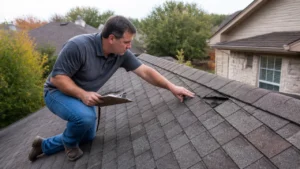
Failing siding often shows clear changes in shape, color, and texture. You may notice warping, cracks, gaps, bubbling, or sections that no longer sit flat against the wall. These problems can happen because of age, weather exposure, moisture, or simple wear over time.
We also look for signs that the siding has lost its protective job. If paint peels often, boards feel soft, or the inside walls show damp spots, the siding may no longer be sealing the home well. For many homeowners, knowing how to know if your siding is failing starts with learning these small warning signs before they spread.
Step-by-Step Guide
🧭 Step 1: Walk Around the Home
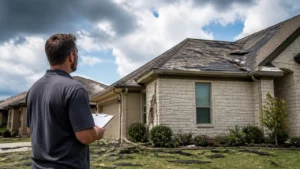
Start by looking at every side of the house in daylight. Check for visible cracks, gaps, warping, or panels that seem loose or uneven.
🔎 Step 2: Look Closely at Joints and Edges
Pay special attention to corners, seams, and areas near windows and doors. These spots often show damage first because they take in more water and weather stress.
💧 Step 3: Check for Moisture Signs
Look for stains, soft spots, bubbling paint, or mold near the siding and trim. Moisture often points to a siding problem that is letting water reach the home structure.
🧱 Step 4: Press Lightly on Problem Areas
Use gentle pressure to see if any sections feel soft, hollow, or unstable. Siding should feel firm, so weak spots usually mean the material has started to fail.
🌬️ Step 5: Watch for Movement After Wind or Rain
Check whether panels shift, lift, or rattle after heavy weather. Movement like this can show that the siding is no longer secured the way it should be.
🪟 Step 6: Inspect Around Openings
Look at the siding around windows, doors, vents, and pipes. These openings are common places for water to slip in when the siding or sealant is failing.
📋 Step 7: Compare Color and Condition
Notice whether some areas look faded, brittle, or different from the rest of the exterior. Uneven wear can be a sign that certain sections have aged faster and need attention.
🛠️ Step 8: Plan the Next Repair Step
If you see several warning signs, decide whether the damage is small or spread across larger areas. Early action matters because siding problems can grow once moisture gets underneath the surface.
Common DIY Mistakes to Avoid
A lot of homeowners try to handle siding issues on their own, but a few simple mistakes can make the damage worse. Some problems look small at first, yet they are often connected to hidden moisture or weak spots behind the surface. Knowing what to avoid can help you make smarter decisions and protect the home.
⚠️ Mistake 1: Only Checking One Side of the House
This happens when someone spots a problem in one area and assumes the rest is fine. The issue is that weather damage often affects more than one wall, especially after storms or long sun exposure. To prevent this, inspect the whole exterior so you do not miss hidden trouble.
❌ Mistake 2: Ignoring Small Cracks
Small cracks are easy to overlook because they seem harmless at first. Over time, they can let in water and grow into larger damage that spreads behind the siding. The best way to avoid this mistake is to treat every crack as a warning sign worth checking closely.
🚫 Mistake 3: Pressing Too Hard on Weak Panels
This often happens when people try to test siding with too much force. Heavy pressure can break already damaged material or make a small problem worse. Use gentle pressure only, and stop if the surface feels soft or unstable.
⚠️ Mistake 4: Missing the Edges and Openings
Many DIY checks focus on the middle of the wall and skip the trim, corners, and openings. These areas are common entry points for water, so damage there can be easy to miss. Prevent this by giving extra attention to every seam, window edge, and door frame.
❌ Mistake 5: Waiting Until Interior Damage Appears
Some homeowners wait for wall stains or damp rooms before acting. By that point, the siding problem may already be affecting the structure behind it. A better approach is to act as soon as outside warning signs appear.
Frequently Asked Questions
What are the first signs that siding is failing?
Yes, the first signs usually include cracks, warping, loose panels, and fading that looks uneven. You may also notice soft spots or small gaps around seams and edges.
Can failing siding cause water damage?
Yes, failing siding can let water reach the layers behind it. That can lead to stains, mold, rot, and more expensive repairs if it is not handled quickly.
How often should I inspect my siding?
Yes, you should inspect siding at least twice a year and after major storms. Regular checks make it easier to catch damage before it spreads.
How to know if your siding is failing after a storm?
Yes, how to know if your siding is failing after a storm starts with looking for lifted panels, cracks, dents, and moisture around openings. If the siding looks loose or damaged, it should be checked right away.
Should I repair or replace damaged siding?
Yes, the answer depends on how much of the siding is affected. Small isolated damage may need a repair, while widespread cracking, warping, or moisture problems often point to replacement.
Wrapping Up
Siding problems can start small, but they rarely stay that way for long. When you know what to look for, you can catch damage early and help protect your home from moisture, wear, and bigger repair costs.
If you are still asking how to know if your siding is failing, the safest move is to inspect the exterior carefully and act on any warning signs you find. Staying ahead of the damage gives your home a better chance to stay strong through the changing weather in Live Oak, TX. For more updates from our team, you can follow us on Instagram.