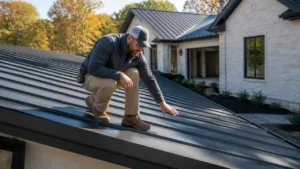
• Emergency roof tarping is a short-term step that helps protect a damaged roof from rain, wind, and debris until repairs can be made.
• Quick action matters because even a small roof opening can lead to water damage, stained ceilings, and bigger repair costs.
• The tips in this post explain how to spot damage, reduce leaks, and know when to get a tarp in place fast.
Why Emergency Roof Tarping Matters Fast
When a storm hits and leaves your roof open to the weather, every minute counts. Water can move quickly through a damaged roof and start causing trouble inside your home or building. That is why what is emergency roof tarping is such an important question after sudden roof damage in Leon Valley, TX.
A tarp can act as a short-term shield while you wait for a full repair. It helps slow down leaks, reduce interior damage, and protect the structure from more rain and wind. If you need a quick response, our emergency roof tarping service is designed to help secure exposed areas fast.
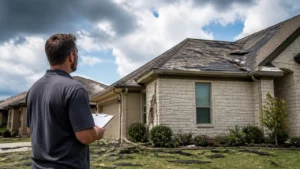
Fall weather in Texas can bring heavy rain, strong wind, and surprise storms that test an already weak roof. Even a small opening can let in enough moisture to stain ceilings, damage insulation, and create more costly repairs later. Acting early gives you a better chance to limit the damage and keep the problem from growing overnight.
How Roof Tarping Helps Stop More Damage
Emergency roof tarping is not a fix for the roof itself, but it is a smart first step after damage. The tarp is secured over the exposed section to help keep out water until repairs can be made. When done the right way, it can buy valuable time and protect your home from more harm.
This step works best when it is handled quickly and placed with care so wind and rain do not pull it loose. It also helps protect drywall, flooring, insulation, and other parts of the property that can be affected by leaks. In many cases, fast tarping is one of the first things we recommend after storm damage because it helps limit the spread of the problem.
Tips from the Pros
🛠️ Tip 1: Act as soon as you spot damage
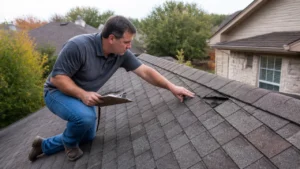
If you see missing shingles, a hole, or a torn section of roof, move fast. Waiting can let water inside and make the repair work more involved. Quick action also helps protect the parts of the home that are harder to replace.
🌧️ Tip 2: Watch for signs of active leaks
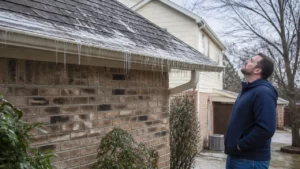
Brown spots on ceilings, damp attic insulation, and dripping water are all warning signs. These clues often mean the roof has already been breached. A tarp can help reduce more water from getting in while repairs are planned.
🔎 Tip 3: Check the roof after strong wind
Wind can lift shingles, loosen flashing, and leave weak spots behind. In Leon Valley, fall storms can move in fast and cause damage that is not easy to see from the ground. A careful inspection after the weather clears can help catch problems early.
📋 Tip 4: Keep the damaged area dry
If it is safe to do so, try to limit water inside the home right away. Move valuables out of the way and place containers under active drips. This helps reduce the damage while the roof is being secured.
🧰 Tip 5: Use the right tarp size
A tarp should fully cover the damaged section and extend far enough past the opening to help keep water out. A cover that is too small may leave edges exposed to rain and wind. Proper coverage is one of the main reasons tarping works well as a short-term solution.
⚠️ Tip 6: Secure the tarp tightly
Loose material can flap in the wind and fail when the weather turns rough. A well-fastened tarp helps stay in place and do its job until the roof is repaired. Poor placement can make the situation worse, so secure installation matters.
🏠 Tip 7: Protect the inside of the building too
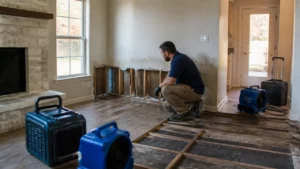
A roof problem does not only affect shingles and decking. Moisture can reach walls, ceilings, and belongings if the leak continues. Taking care of the inside early helps cut down on cleanup and repair costs.
📞 Tip 8: Schedule repairs right after tarping
Emergency roof tarping is only the first step, not the final solution. Once the roof is covered, the next move is to plan a proper repair before more weather rolls in. That helps prevent repeat damage and keeps the roof in better shape for the season ahead.
Frequently Asked Questions
What is emergency roof tarping?
Emergency roof tarping is a short-term way to cover a damaged roof and help keep out rain, wind, and debris. It is used after storms or sudden damage to reduce further harm until repairs can be completed.
How long can a roof tarp stay in place?
A roof tarp can stay in place for a limited time, but it is only meant as a temporary fix. The exact timing depends on weather, roof condition, and how well the tarp is secured.
Does emergency roof tarping stop leaks completely?
Emergency roof tarping can greatly reduce leaking, but it does not guarantee a perfect seal. It is designed to protect the property until a full repair can be made.
When should I call for emergency roof tarping?
You should call for emergency roof tarping as soon as your roof has visible storm damage or active leaking. Fast action helps limit interior damage and keeps the problem from spreading.
Why is emergency roof tarping important in fall weather?
Emergency roof tarping is important in fall weather because storms, wind, and heavy rain can arrive with little warning. In Leon Valley, TX, that kind of weather can quickly turn a small roof issue into a much larger repair.
Final Thoughts on Protecting Your Roof
When roof damage happens, fast action can make a real difference for your home or business. A temporary cover can help protect the structure, reduce water intrusion, and give you time to plan the next repair step. That is why knowing what is emergency roof tarping matters before the next storm season gets worse.
If your roof has been damaged and you need help, the safest move is to act quickly and get the right support in place. We are here to help Leon Valley property owners protect what matters most and move forward with confidence. You can also follow us on social media for more updates.