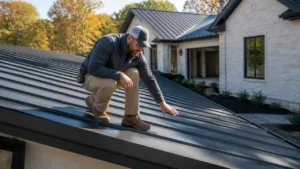
• Storm damage restoration usually includes a full inspection, temporary protection, repair planning, and fixes for roof issues like missing shingles, flashing damage, and leaks.
• Quick action matters because even small storm damage can lead to water intrusion, interior stains, and bigger repair costs if it is left untreated.
• A careful step-by-step process helps homeowners document damage, protect exposed areas, complete repairs, and avoid common DIY mistakes.
What We Include in Storm Damage Restoration
When a storm hits Round Rock, TX, the damage can show up fast and spread even faster. At Safepro Roofing, we know that what is included in storm damage restoration is often the first question homeowners ask after a hard rain, strong wind, or hail. The sooner you act, the easier it is to protect your home from more problems.
A small leak can turn into stained ceilings, damaged insulation, and hidden wood rot if it is left alone. That is why we move quickly to assess the roof, check exposed areas, and start the right repairs before the next storm rolls in. If you need help right away, our storm damage restoration services can help get things back on track.
Storm damage is not always easy to spot from the ground. Broken shingles, lifted flashing, clogged gutters, and loose edges can all lead to bigger trouble later if they are ignored. In fall, shifting weather can bring sudden rain and wind, so a careful response matters now more than ever.
How We Handle Storm Damage the Right Way
A good restoration process starts with a close look at the damage, not a guess. We check the roof surface, edges, vents, and any spots where water may have gotten inside so we can find both visible and hidden issues. This helps us plan repairs that match the real condition of the home instead of only treating the most obvious signs.
We also focus on protecting the structure from more exposure while work is being planned and completed. That may include emergency tarping, shingle replacement, leak control, and cleanup of damaged material. When needed, we also help homeowners understand the next steps with insurance and repair timing so the process feels more manageable.
Step-by-Step Guide to Storm Damage Restoration
🔍 Step 1: Inspect the Damage
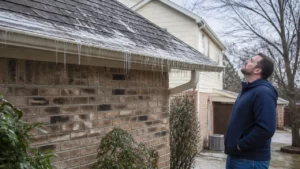
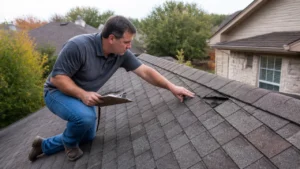
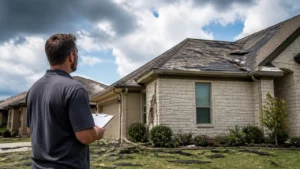
Start by looking for missing shingles, dents, lifted flashing, and debris around the roof and yard. This matters because storm damage is often more than what you can see from the driveway. A careful inspection helps catch problems before water gets deeper into the home.
📸 Step 2: Document What You Find
Take clear photos of every damaged area, including the roof, gutters, siding, and any interior leaks. This is important because records help track the damage and support the repair process. Good documentation also makes it easier to compare the condition before and after work begins.
🧰 Step 3: Protect Exposed Areas
Cover any open or vulnerable sections to help keep rain out until repairs can begin. This step matters because even a short delay can let water spread into insulation, wood, and drywall. Temporary protection gives the home a better chance of staying dry.
📝 Step 4: Review the Repair Plan
Go over the repair plan so you know what parts need fixing and what order the work should follow. This helps because storm damage often affects more than one part of the home at the same time. A clear plan reduces missed steps and keeps the restoration moving.
🔧 Step 5: Make the Needed Repairs
Replace damaged shingles, repair flashing, fix leaks, and address any related issues found during inspection. These repairs matter because storm damage can weaken the roof’s ability to shed water correctly. Solid repairs help restore the roof’s protection and function.
🚿 Step 6: Check for Water and Interior Damage
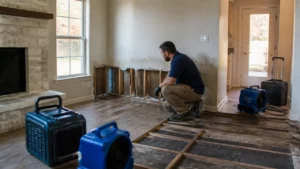
Look inside for stains, damp drywall, soft spots, or musty smells that may point to hidden moisture. This is important because roof damage can lead to interior problems that are not obvious at first. Catching these issues early helps limit larger repairs later.
📂 Step 7: Organize Insurance Records
Keep all notes, photos, and repair details in one place if you plan to file a claim. This helps because clear records can make the process easier to follow and less confusing. Organized paperwork also supports a smoother review of the damage.
✅ Step 8: Confirm the Work Is Complete
Do a final check once the repairs are finished to make sure all damaged spots were handled. This step matters because small items left behind can turn into new leaks or weak points. A careful finish helps make sure the home is ready for the next round of weather.
Common DIY Mistakes to Avoid
Trying to handle storm damage on your own can seem like a fast way to save time, but it often leads to missed problems. Many issues start small and hide under the surface, which makes them easy to overlook during a rushed check. Knowing the common mistakes can help you avoid extra damage and extra costs.
- ⚠️ Mistake 1: Only Checking the Surface
Some people look for missing shingles and stop there, which leaves hidden damage untouched. This happens because the most visible signs feel like the only ones that matter. To prevent it, inspect both the outside and the inside areas that may show signs of leaks or moisture. - ❌ Mistake 2: Waiting Too Long to Cover Exposed Areas
Homeowners sometimes delay temporary protection while they figure out the next step. That delay happens because the damage may not look urgent at first. To prevent it, cover open spots as soon as possible to reduce the chance of water getting inside. - 🚫 Mistake 3: Ignoring Gutters and Flashing
People often focus only on shingles and forget the parts that guide water away from the roof. This happens because gutters and flashing are easy to overlook during a quick look. To prevent it, include every edge, seam, and drainage area in your inspection. - ⚠️ Mistake 4: Skipping Photo Records
Some homeowners start repairs before documenting the damage. This often happens when they want to move fast and get the job done. To prevent it, take clear photos before anything is moved or replaced so you have a record of the original condition. - ❌ Mistake 5: Forgetting to Check for Interior Signs
Many people assume roof damage stays on the roof, but leaks can show up inside first. This mistake happens because interior signs are easy to miss if you only look outside. To prevent it, check ceilings, attic spaces, and walls for stains, dampness, or soft areas.
Frequently Asked Questions
What is included in storm damage restoration?
Yes, what is included in storm damage restoration usually covers inspection, temporary protection, repair planning, damage cleanup, and the needed roof repairs. It may also include checking for leaks, gutter issues, flashing damage, and signs of interior water intrusion. The exact work depends on how much the storm affected the home.
How soon should storm damage be repaired?
Yes, storm damage should be repaired as soon as possible after it is found. Delaying repairs can let water spread and create larger problems inside the home. Fast action helps limit the damage and protects the structure from further wear.
Can storm damage be hard to spot?
Yes, storm damage can be hard to spot from the ground or from a quick visual check. Some of the biggest issues include lifted shingles, cracked flashing, and hidden moisture that may not show up right away. A careful inspection is often needed to find the full extent of the problem.
Does storm damage restoration include insurance help?
Yes, storm damage restoration often includes help with insurance-related documentation. That can mean photos, notes, and details about the damage and repairs. Clear records make the claim process easier to understand and review.
Why is fall storm damage still a concern in Round Rock, TX?
Yes, fall is still a concern in Round Rock, TX because storms can bring wind, rain, and sudden weather changes. These conditions can damage roofing materials and expose weak spots that were not obvious before. Homeowners should stay alert even after the busiest storm seasons seem to pass.
Final Thoughts on Storm Damage Recovery
Storm damage can create stress fast, but a clear response makes the process easier to manage. When you understand what is included in storm damage restoration, you can make better choices about inspection, repairs, and protection for your home. In Round Rock, TX, acting quickly in fall weather can help prevent a small issue from turning into a bigger one.
At Safepro Roofing, we believe every homeowner deserves a repair plan that is clear, practical, and built around real damage. Careful restoration protects your home, supports long-term value, and helps you feel confident about what comes next. For more updates and local project insight, follow us on social media.