• Siding replacement materials compared helps homeowners choose the best option by looking at cost, durability, upkeep, and appearance.
• In Leon Valley, TX, summer heat makes it important to pick siding that can stand up to local weather and protect your home longer.
• A clear step-by-step comparison can help you avoid common DIY mistakes and make a smarter siding choice faster.
Why siding choices matter in Leon Valley
When siding starts to fade, crack, or warp, the problem can spread faster than many homeowners expect. In Leon Valley, the summer heat can put extra stress on exterior materials and make weak spots stand out sooner. That is why siding replacement materials compared is a smart place to start before small damage turns into a bigger repair. If your exterior is already showing signs of wear, our siding services can help you plan the next move with confidence.
Different siding materials handle Texas weather in different ways, and that matters when you want your home to stay protected. Some options hold up better against heat and impact, while others may need more upkeep over time. Choosing the right one is not just about looks, since it also affects comfort, maintenance, and long-term value.
We often see homeowners wait until damage becomes obvious, but that can make the decision harder and more costly. A better approach is to compare materials early so you can choose based on how your home is built and how you want it to perform. That is especially useful in the summer, when strong sun and dry conditions can reveal weaknesses fast.
How siding materials compare
Vinyl siding is one of the most common choices because it is affordable and easy to maintain. It can work well for many homes, but it may not be the best fit if you want a more rigid feel or a material that stands up better to heavy impact. Fiber cement siding is a stronger option that resists heat and is known for its solid appearance, though it usually costs more and weighs more than vinyl.
Wood siding has a classic look that many homeowners love, but it usually needs more care to stay in good shape. It can be affected by moisture, insects, and sun exposure if it is not maintained properly. When we help homeowners compare siding replacement materials compared, we focus on the mix of durability, upkeep, appearance, and budget so the choice makes sense for the home and the climate.
Step-by-Step Guide to Choosing Siding
🔍 Step 1: Check the current condition
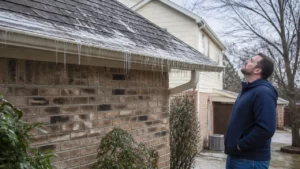
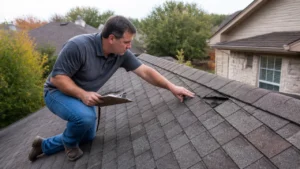
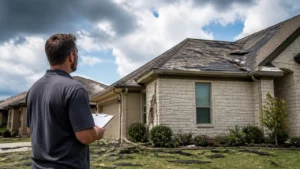
Look closely at the existing siding for cracks, soft spots, warping, or fading. These signs help show whether the problem is isolated or affecting a larger area. Knowing the starting condition makes the rest of the choice easier and more accurate.
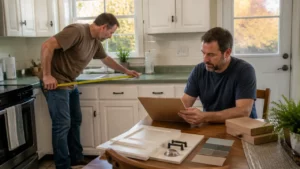
📏 Step 2: Measure the size of the project
Figure out how much surface area needs to be replaced and whether the damage is limited to one side or spread across the home. A bigger project may change which material makes the most sense for cost and labor. Accurate sizing helps keep the plan realistic from the start.
🌡️ Step 3: Think about local weather
Choose siding that can handle strong sun, dry heat, and sudden weather shifts common in Leon Valley. Some materials hold their shape better in hot conditions, while others may need more upkeep. Weather should always be part of the decision because it affects how long the siding lasts.
💰 Step 4: Set a clear budget
Compare the cost of materials, installation, and future upkeep before making a final choice. A cheaper product up front may cost more later if it needs frequent repairs or repainting. A balanced budget helps you choose a material that fits both now and later.
🧱 Step 5: Compare durability
Review how each siding option handles impact, heat, and everyday wear. Stronger materials may cost more, but they often offer better long-term performance. Durability matters most when you want fewer repairs and a steadier exterior over time.
🎨 Step 6: Match the home’s style
Pick a siding style that fits the look of the house and the surrounding neighborhood. A good match can improve curb appeal without making the home look out of place. Style matters because the siding will shape the home’s first impression for years.
🛠️ Step 7: Plan for upkeep
Think about how much time and money each material may need after installation. Some siding types only need basic cleaning, while others need painting or sealing to stay protected. Lower upkeep can be a big advantage for busy homeowners.
✅ Step 8: Make the final comparison
Review all the factors together before deciding: cost, durability, appearance, and care. This final check helps you choose the siding material that fits your home best. A careful comparison reduces regrets and leads to a better long-term result.
Common mistakes to avoid
Choosing siding should be a careful process, but DIY projects often move too fast. Many homeowners focus on one detail, like price or color, and miss the bigger picture. The mistakes below can lead to poor results, extra work, and avoidable costs.
- ⚠️ Mistake 1: Ignoring existing damage
This happens when homeowners only look at the surface and miss hidden problems behind it. It often leads to choosing the wrong material or covering up damage that should be fixed first. To prevent this, inspect the full area before making any material decision. - ⚠️ Mistake 2: Choosing by price alone
Many people pick the cheapest option because it feels easier on the budget. That can happen when the short-term cost is the main focus and long-term upkeep gets overlooked. Prevent this by comparing price, durability, and maintenance together. - ⚠️ Mistake 3: Overlooking the climate
Some homeowners choose a siding type without thinking about how summer heat affects it. This can lead to warping, fading, or faster wear if the material is not suited for the area. Prevent this by matching the siding to local weather conditions. - ⚠️ Mistake 4: Forgetting future upkeep
This mistake happens when people only think about installation day and not what comes after. Materials that need regular painting or sealing can become a burden later. Prevent this by asking how much care each option will need over time. - ⚠️ Mistake 5: Skipping the full comparison
Homeowners sometimes lock in one option too early because it looks good or sounds familiar. That can cause them to miss a better fit for the home’s needs and budget. Prevent this by comparing all major factors before deciding.
Frequently Asked Questions
What is the best siding material for hot weather?
Yes, some siding materials handle hot weather better than others. Fiber cement is often a strong choice because it holds up well under heat and gives homes a steady, solid look. Vinyl can also work, but it may be more sensitive to heat than other options.
How do I compare siding replacement materials compared?
Yes, the best way is to compare cost, durability, upkeep, and appearance side by side. That gives you a clear picture of which option fits your home and budget best. A simple comparison usually makes the decision much easier.
Is fiber cement siding worth the extra cost?
Yes, fiber cement siding can be worth the higher cost for many homeowners. It offers strong durability and holds its shape well in tough weather. It is often a good fit when long-term performance matters more than the lowest upfront price.
Does wood siding need more maintenance?
Yes, wood siding usually needs more care than many other siding options. It may need sealing, painting, or repair to stay protected from sun and moisture. That makes it a better choice for homeowners who are ready for regular upkeep.
How often should siding be replaced?
Yes, siding should be replaced when it shows clear signs of wear like cracking, warping, or repeated damage. The timing depends on the material, weather exposure, and how well it has been maintained. A full inspection is the best way to know whether repair or replacement is the right move.
Final thoughts on choosing siding
Making the right siding choice starts with looking at your home’s condition, the local climate, and what you want from the finished result. When you take the time to compare materials carefully, you are more likely to choose an option that fits both your home and your budget. That is why siding replacement materials compared is such an important step for homeowners in Leon Valley.
A smart decision now can help protect your home, reduce upkeep, and improve the way it looks for years. We recommend reviewing each option with care so you can move forward with confidence. To stay connected with our team, follow us on Instagram.