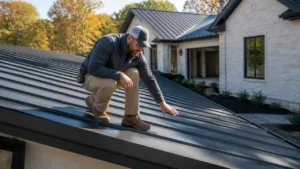
• A commercial roof inspection before storm season helps catch weak spots early, such as loose seams, worn flashing, and drainage problems, before summer storms cause costly damage.
• In Round Rock, TX, heat and sudden weather changes can stress roofing materials, so checking the roof surface, edges, and rooftop equipment now can help prevent leaks and business downtime.
• A simple step-by-step inspection plan, plus quick repairs and a final recheck, can make a commercial roof more ready for storm season and reduce the risk of emergency fixes later.
Why We Check Commercial Roofs Before Storm Season
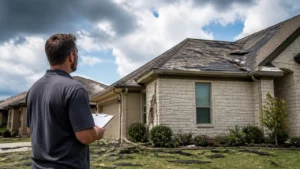
When storm season gets close in Round Rock, TX, a small roof issue can turn into a costly building problem fast. That is why we take commercial roof inspection before storm season seriously for every property we serve. A roof that looks fine from the ground can still hide loose seams, weak flashing, or worn spots that will not hold up under strong wind and rain.
Our goal is to find trouble before the weather does. With our commercial roofing services, we help business owners spot weak areas early so they can plan ahead instead of reacting after damage starts. In a hot Texas summer, roofs take a beating from sun, heat, and sudden storms, which makes early checks even more important.
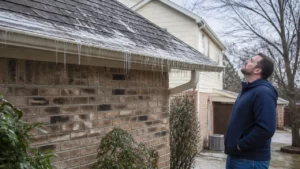
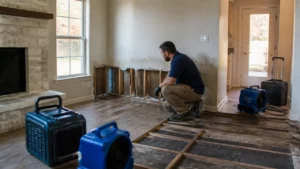
Waiting too long can lead to leaks, interior damage, and downtime that affects daily business. We often see that the smallest warning signs are the ones people miss until a storm makes them worse. A smart inspection gives us a better chance to protect the roof, the building, and everything inside it.
How We Prepare a Roof for Summer Storms
We start by looking at the roof surface, drainage points, flashing, and any places where water may collect. These areas often show the first signs of wear, especially on commercial buildings that have large flat or low-slope sections. If one part of the roof is already weak, a strong summer storm can make the problem spread quickly.
We also check for material damage caused by heat, standing water, and past weather events. That matters because roof parts expand and contract during hot months, and repeated stress can open the door to leaks. A careful inspection helps us spot what needs repair now, before storm season puts extra pressure on the system.
Step-by-Step Guide
🧾 Step 1: Review the Roof’s Recent History
Start by looking at past repairs, leaks, and any storm damage the building has already had. This helps you focus on weak spots that may need extra attention before the next round of bad weather.
🔍 Step 2: Inspect the Roof Surface
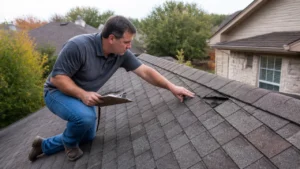
Check for cracks, blisters, loose seams, and worn areas across the roof. These issues can let water in once heavy rain and wind arrive.
🚰 Step 3: Clear and Check Drainage Areas
Make sure drains, scuppers, and gutters are open and free of debris. Standing water can shorten the life of roofing materials and raise the risk of leaks.
🧱 Step 4: Examine Flashing and Edges
Look closely at flashing around vents, walls, and roof edges. These spots are common failure points because they take a lot of stress during storms.
🔧 Step 5: Check Rooftop Equipment
Inspect units, pipes, and other rooftop fixtures for loose parts or damaged seals. Anything mounted to the roof can create an opening if it is not secure.
📋 Step 6: Document Any Problems
Write down what you find and note where each issue is located. Clear notes make it easier to decide what needs repair before storm season arrives.
🌧️ Step 7: Schedule Repairs Before Heavy Weather
Fix the problems you found as soon as possible. Small repairs are usually easier to handle before summer storms bring more water and wind stress.
🏢 Step 8: Recheck After Repairs
Go back and confirm the work was done correctly. A final review helps make sure the roof is ready for the season ahead.
Common Mistakes to Avoid
A lot of roof problems get worse because people wait too long or check the wrong areas. Others try to save time by only looking at what is easy to see from the ground. The mistakes below are the ones we see most often when someone tries this process on their own.
⚠️ Mistake 1: Only Looking at the Roof From Below
This is when someone assumes the roof is fine because they cannot see damage from the parking lot. It happens because rooftop work takes more time and people often want a quick answer. To prevent this, inspect the surface, edges, and drainage areas up close.
❌ Mistake 2: Ignoring Small Signs of Wear
Tiny cracks, loose seams, and minor ponding often get dismissed as harmless. That happens because these issues do not always cause immediate leaks. The best way to avoid this mistake is to treat every weak spot as a possible entry point for water.
🚫 Mistake 3: Forgetting Flashing and Seals
Many people focus on the main roof surface and miss the seams around vents, walls, and rooftop equipment. These details are easy to overlook because they blend into the rest of the roof. Prevent this by checking every transition point where water can sneak in.
⚠️ Mistake 4: Skipping Drainage Checks
Clogged drains and blocked gutters are often left out of the inspection. People miss them because debris can build up slowly and seem like a small issue at first. To prevent problems, make drainage a standard part of every roof review.
❌ Mistake 5: Waiting Until Storms Are Close
This happens when roof checks are pushed off until the weather forecast looks bad. By then, there may not be enough time to fix the real issues. The safer choice is to inspect early so repairs can be finished before the season turns rough.
Frequently Asked Questions
Why is a commercial roof inspection before storm season important?
Yes, it is important because it helps find weak spots before heavy rain and wind make them worse. A commercial roof inspection before storm season gives property owners time to handle repairs before damage leads to leaks or business interruptions.
What should be checked during a commercial roof inspection?
Yes, the roof surface, flashing, drainage areas, seams, and rooftop equipment should all be checked. These are the places where wear and water intrusion usually show up first.
How often should a commercial roof be inspected?
Yes, it should be inspected at least once a year, and ideally before storm season starts. Buildings with older roofs or past damage may need checks more often.
Can hot weather damage a commercial roof?
Yes, hot weather can wear down roofing materials over time. Heat causes expansion and stress, which can lead to cracks, loose seams, and weaker seals.
What are signs a roof needs attention before a storm?
Yes, signs include cracks, ponding water, loose flashing, blocked drains, and visible wear around roof fixtures. If you see any of these, the roof should be checked right away.
Ready for the Season Ahead
A strong roof plan starts before the storm clouds show up, not after. By checking weak spots early, we help protect the building, reduce repair costs, and avoid last-minute stress during summer weather in Round Rock, TX. That is why commercial roof inspection before storm season matters so much for local business owners.
We believe preparation is always better than emergency repair. When a roof is checked with care, small problems have a chance to stay small, and the whole property has a better shot at staying dry and safe. If you want to stay connected with us, follow us on Instagram.