• Why gutter installation before fall season matters: In Round Rock, TX, summer heat and storm patterns can hide gutter problems until rain starts hitting harder. Getting ahead of leaks, sagging, and poor drainage helps protect the roof, siding, and foundation before damage spreads.
• How to prepare gutters for the season: A smart plan includes checking for wear, clearing debris, securing loose parts, testing water flow, and replacing damaged sections. These steps help the gutter system handle fall weather more reliably and reduce the chance of overflow.
• Common DIY mistakes to avoid: Skipping the inspection, using the wrong materials, and ignoring downspout direction can lead to bigger problems later. A careful approach makes the system safer, stronger, and better ready for the season ahead.
Why Gutter Work Matters Before Fall
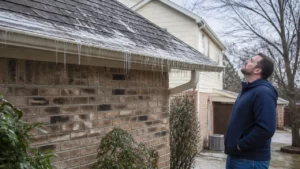
In Round Rock, TX, summer heat can hide small gutter problems until the first real storms show up. That is why gutter installation before fall season should be on our radar before leaves, rain, and fast weather changes start to pile up. If gutters are already weak, loose, or clogged, water can spill where it should not and create damage fast. Taking action now gives us more control before the season turns.
A good gutter system helps guide water away from the roofline, siding, and foundation. When that system is not ready, even a short storm can leave behind stains, soft spots, and drainage issues. For homes in our area, the mix of heat, wind, and heavy rain can wear parts down faster than many people expect. That is why checking gutters early is one of the smartest home steps we can take.
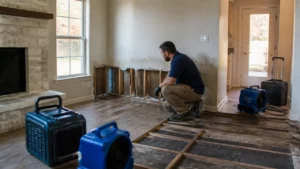
We know how easy it is to delay this kind of work until the weather gets worse. The problem is that once fall arrives, repair schedules can fill up and small issues can become bigger ones. If we wait too long, we may end up dealing with water damage instead of a simple fix. That is why planning ahead matters, and our gutter services can help keep the process moving in the right direction.
How We Prepare Gutters for Fall
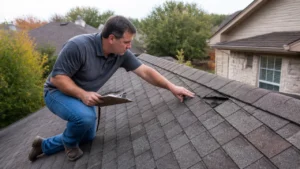
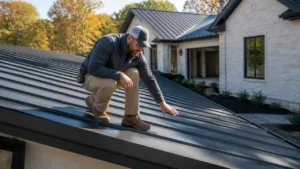
The first thing we do is look for signs of wear, sagging, rust, or poor drainage. We also check whether the gutters match the roof slope and the home’s water flow needs. In a place like Round Rock, where summer storms can come down hard, these details matter more than many homeowners think. A system that looks fine from the ground can still fail when water starts moving fast.
Next, we focus on proper fit, secure attachment, and clean downspout flow. If gutters are installed the wrong way, water can back up, overflow, or run toward the home instead of away from it. That is why careful work before fall can save time and stress later. We always want the system to be ready before changing weather puts it to the test.
Step-by-Step Guide
🔍 Step 1: Check the Gutter Line
Look at the full gutter run for sagging, gaps, rust, or visible bending. These are often the first signs that the system is not moving water the right way. A quick check now can help us catch problems before the fall rains begin.
📏 Step 2: Measure the Problem Areas
Measure the lengths that need repair or replacement so the new sections fit correctly. Accurate sizing matters because even a small mismatch can cause leaks or loose joints. This step helps us avoid wasted material and poor drainage.
🧼 Step 3: Clear Out Debris
Remove leaves, dirt, twigs, and old buildup from the gutters and downspouts. Clean channels let us see hidden damage and make sure water can move freely. If debris stays in place, it can block flow and add extra weight to the system.
🛠️ Step 4: Secure Loose Sections
Fasten any loose brackets, ends, or joints that are pulling away from the roofline. Loose parts can shift during storms and create leaks or overflow. Tight, even support helps the whole system work as intended.
🌧️ Step 5: Test Water Flow
Run water through the gutters and watch how it moves toward the downspouts. This shows whether water drains smoothly or pools in certain spots. Testing flow before fall gives us a chance to fix trouble areas right away.
🔩 Step 6: Replace Damaged Parts
Swap out cracked, rusted, or badly warped sections instead of trying to patch them over and over. Damaged pieces often fail again when heavy rain arrives. Replacing them now gives the system a better chance of lasting through the season.
📌 Step 7: Check Downspout Direction
Make sure downspouts send water far enough away from the foundation. If water pools near the house, it can cause soil and drainage problems over time. Proper direction helps protect the home from avoidable moisture issues.
✅ Step 8: Do a Final Safety Review
Walk around the home one last time and confirm everything is secure, level, and draining as it should. A final review helps catch small problems before they become costly ones. This is the last step that gives us confidence the system is ready for fall.
Mistakes Homeowners Often Make
Many DIY gutter jobs go wrong because the early steps are rushed or skipped. Homeowners often want a fast fix, especially when the weather is hot and busy schedules are packed. The problem is that small mistakes can lead to drainage trouble once the first strong rain arrives.
- ⚠️ Mistake 1: Skipping the Full Inspection
Some people only look at the gutters from the ground and assume everything is fine. This happens because damage can be hard to spot from below, but it leaves loose parts and hidden cracks in place. To prevent this, check the full gutter line closely before doing any repair or replacement work. - ❌ Mistake 2: Ignoring Debris in the System
A dirty gutter can hide leaks, sagging, and poor water flow. This mistake usually happens when people focus on the visible problem and overlook the buildup inside the channel. Clearing out all debris first helps us see the real condition of the system. - 🚫 Mistake 3: Using the Wrong Size Materials
Some homeowners buy parts that do not fit the roofline or the existing setup. This often happens when measurements are guessed instead of taken carefully, which can lead to leaks and weak support. Accurate measuring helps prevent gaps and poor drainage. - ⚠️ Mistake 4: Leaving Loose Fasteners in Place
Loose brackets, screws, and joints can cause the gutter to shift under rainwater weight. People often miss this because the gutter may still look attached even when it is not secure enough. Tightening every weak point before fall helps keep the system stable. - ❌ Mistake 5: Forgetting the Downspout Path
A gutter can still fail if the water is not sent far enough away from the house. This happens when homeowners focus only on the gutter section and not where the water ends up. Checking the downspout direction prevents pooling near the foundation and protects the home.
Frequently Asked Questions
Why should we handle gutter installation before fall season?
Yes, getting it done early helps protect the home before heavier rain and falling debris arrive. gutter installation before fall season gives us time to find and fix problems before they turn into water damage. In Round Rock, TX, that timing matters because weather changes can happen fast.
What are the signs that gutters need replacement?
Yes, common signs include sagging, rust, cracks, leaks, and water spilling over the sides. These issues usually mean the system is no longer moving water the way it should. If damage keeps showing up after repairs, replacement is often the better choice.
How often should gutters be checked before the seasons change?
Yes, gutters should be checked at least a few times a year, especially before fall and after strong storms. Seasonal checks help catch buildup and damage before they affect the roof or foundation. That habit is especially useful in areas with heavy rain and heat.
Can clogged gutters cause roof or foundation problems?
Yes, clogged gutters can lead to water backing up onto the roof or spilling near the foundation. When that happens, moisture can damage materials and create costly repairs later. Keeping water moving away from the home is one of the main jobs of the gutter system.
Is it better to repair or replace old gutters?
Yes, the right choice depends on the amount of damage and how well the system still drains. Small issues can often be repaired, but repeated leaks, rust, or sagging usually point to replacement. A system that is failing often needs a fresh start to protect the home properly.
Ready for Fall Weather
Getting gutters ready before the season changes helps us stay ahead of damage, stress, and last-minute repairs. A careful plan, a full inspection, and the right updates can make a big difference when rain starts coming through Round Rock, TX. When we treat this work as part of seasonal home care, we protect the roof, siding, and foundation at the same time.
If we want the home ready for cooler weather, now is the time to act on small warning signs. Our team knows how to handle the details that keep gutter systems working when they are needed most. To keep up with our latest updates, follow us on Instagram.