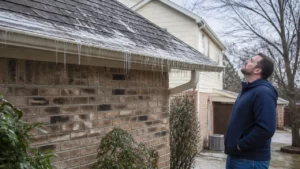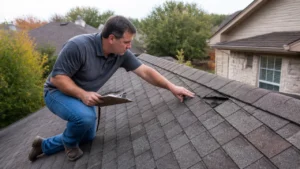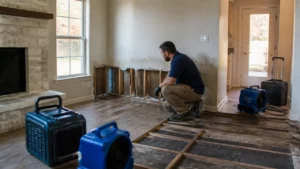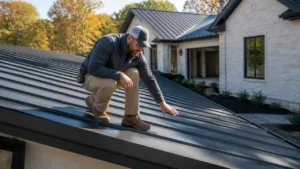
• Why gutter replacement matters: New gutters help keep rainwater moving away from the home, which lowers the chance of siding damage, foundation problems, and overflow during heavy storms. For homeowners in San Antonio, this is especially important during the summer season when sudden rain can put extra stress on older systems.
• How to replace gutters the right way: The process starts with a full inspection, then careful measuring, cleaning, slope setting, secure fastening, and a water flow test. Following each step helps make sure the new system works as intended and protects the home from future drainage issues.
• Common mistakes to avoid: Many DIY jobs fail because of poor measurements, wrong slope, missed drainage planning, or skipping the final test. Knowing these errors early can save time, reduce repair costs, and help homeowners get lasting results from the replacement.
Why Gutter Replacement Matters Now
When gutters start failing, water can move where it should not and create bigger problems fast. In San Antonio, summer heat and sudden downpours can wear down older systems and leave a home exposed. That is why gutter replacement benefits for homeowners should not be put off until damage shows up inside the house. We often see that a small issue at the roofline can lead to costly repairs if it is ignored.
Good drainage helps protect siding, landscaping, and the foundation from steady water damage. When gutters sag, clog, or pull away, they stop doing their job and can send water toward places it should never reach. If the system is already showing wear, our gutter services can help restore proper flow and reduce the risk of future issues. Acting early gives homeowners a better chance to stay ahead of leaks, stains, and erosion.
A new gutter system can also make maintenance easier during the rainy season. Clean, well-fitted gutters move water away from the home more efficiently and help reduce overflow during heavy storms. For homeowners in San Antonio, that kind of protection matters because weather shifts can happen quickly and create stress on older drainage systems. The sooner the problem is handled, the sooner the home gets back the protection it needs.
How We Approach Gutter Replacement
We start by checking the full drainage path from the roof edge to the ground. That includes looking for rust, bent sections, loose fasteners, pooling water, and signs that water is not moving away from the home as it should. Once we know where the trouble is, we can decide whether replacement is the best path forward. This gives homeowners a clear picture before more damage has time to spread.
The goal is not just to install new gutters, but to make sure the system fits the home and the local weather conditions. Proper slope, secure attachment, and the right size all matter because they help the gutters handle Texas rain more effectively. If the system is too small or poorly placed, water can still overflow and cause trouble around the home. That is why careful planning is such a big part of the process.
When we work on exterior protection, we think about the whole home, not just one part of it. A strong gutter system supports the roofline, walls, and ground around the structure by keeping water moving away from vulnerable spots. Homeowners who schedule service early often avoid the chain reaction that comes from repeated overflow and hidden moisture. For more support with home exterior care, we also help with residential roofing needs when the roof and drainage system need attention together.
Step-by-Step Guide to Gutter Replacement
🔍 Step 1: Inspect the Current System
Look for visible damage such as cracks, rust, sagging sections, and loose joints. These signs often mean the gutters are no longer moving water the right way, which can lead to overflow and damage around the home.
📏 Step 2: Measure the Roofline
Take accurate measurements of the areas that need new gutters. This helps make sure the replacement fits properly and supports steady water flow during heavy rain.
🛠️ Step 3: Check Drainage Points
Review where downspouts send water once it leaves the gutters. Water should move away from the foundation, since poor drainage can lead to soil washout and moisture problems near the home.
🧹 Step 4: Remove Debris and Old Parts
Clear out leaves, buildup, and damaged sections before installing the new system. A clean surface helps the new gutters sit properly and work more effectively from the start.
📐 Step 5: Set the Correct Pitch
Make sure the gutters slope slightly so water can flow toward the downspouts. If the pitch is off, water can sit in the system and cause overflow, staining, or extra wear.
🔩 Step 6: Secure the New Gutters
Fasten the new sections firmly so they stay in place during storms and strong heat. Loose gutters can pull away from the home and stop working when they are needed most.
💧 Step 7: Test Water Flow
Run water through the system and watch how it moves from end to end. This test shows whether the gutters drain properly or need adjustment before the job is finished.
🏡 Step 8: Review the Finished System
Walk around the home and check for leaks, overflow, or weak spots. A final review helps confirm the gutters are ready to protect the home during the next heavy rain.
Mistakes That Can Hurt the Results
DIY gutter work can seem simple at first, but small errors often lead to bigger problems later. Many homeowners focus on replacing the visible parts and miss the details that keep the system working well. These mistakes usually come from rushing the job or not understanding how water moves around the home.
⚠️ Mistake 1: Skipping a Full Inspection
This happens when someone replaces only the damaged section and ignores the rest of the system. The problem is that hidden issues like loose fasteners or poor slope can still cause failure. To prevent this, inspect the whole run before starting any replacement work.
❌ Mistake 2: Using the Wrong Measurements
This mistake often comes from guessing lengths instead of measuring carefully. If the gutters are too short, too long, or mismatched, they will not fit correctly and may leak. Prevent it by checking each section and marking the roofline before ordering materials.
🚫 Mistake 3: Ignoring Drainage Direction
Some homeowners replace gutters but forget to plan where the water will go next. That can send runoff toward the foundation and create drainage issues around the home. Prevent this by checking downspout placement and making sure water moves far from the structure.
⚠️ Mistake 4: Setting the Wrong Slope
This usually happens when the gutters are installed level or with too much tilt. Without the right pitch, water can sit in the channel and overflow during storms. Prevent it by checking the angle before final attachment.
❌ Mistake 5: Failing to Test the System
A common error is finishing the install and assuming it works as expected. If water is not tested through the gutters, small leaks or flow problems may go unnoticed. Prevent this by running water through the system and checking every joint and outlet.
Frequently Asked Questions
What are the main gutter replacement benefits for homeowners?
Yes, gutter replacement benefits for homeowners include better water control, less risk of siding and foundation damage, and easier upkeep. A new system helps move rainwater away from the home more reliably, which is especially useful during heavy seasonal storms.
How do I know when my gutters need to be replaced?
Yes, gutters often need replacement when they sag, leak, rust, or pull away from the house. If water keeps overflowing even after cleaning, the system may be past the point of simple repair.
Can new gutters help protect my foundation?
Yes, new gutters can help protect the foundation by sending rainwater away from the home. That lowers the chance of soil washout, pooling, and moisture problems near the base of the structure.
Is gutter replacement worth it in San Antonio?
Yes, gutter replacement is worth it in San Antonio because summer heat and strong rain can wear down older systems. A solid gutter setup helps homes handle sudden weather changes more safely.
How often should gutters be checked for damage?
Yes, gutters should be checked at least a few times a year and after major storms. Regular checks help catch small issues early before they turn into costly water damage.
Final Thoughts on Protecting Your Home
Taking care of gutters is one of the simplest ways to protect a home from water problems that build over time. When the system is old, damaged, or not draining well, replacement can make a real difference in how well the home handles rain. That is why we encourage homeowners to act before small warning signs turn into bigger repairs.
When done the right way, gutter replacement supports the roof, walls, and foundation while making storm cleanup easier. For homeowners in San Antonio, that kind of protection matters during the hot season and sudden summer rain. To keep up with our work and home care updates, follow us on social media.