• Spot the warning signs early: Learn how to catch leaks, stains, soft spots, and drainage problems before they turn into bigger roof damage.
• Follow a simple roof-check process: Use a clear step-by-step method to inspect the roof surface, inside ceilings, flashing, seams, and drains.
• Avoid costly DIY mistakes: See the most common errors property owners make and understand when it is time to call a roofing professional.
Why Roof Warning Signs Matter
When a commercial roof starts to show trouble, small issues can turn into bigger costs fast. In Live Oak, TX, fall weather can bring sudden rain and shifting temperatures that put extra stress on roofing systems. That is why signs your commercial roof needs repair should never be ignored. Quick action can help protect your building, your equipment, and your daily operations.
Leaks are not the only clue that something is wrong. Soft spots, stains, loose flashing, and rising energy bills can all point to roof trouble that needs attention. If your roof has already shown changes after a storm, our commercial roofing services can help you take the next step. The sooner you look for damage, the easier it is to limit disruption.
Many roof problems start small and spread quietly over time. Moisture can work its way under the surface, weaken materials, and create bigger repair needs before anyone notices. That is especially true in a busy commercial setting where people may miss early warning signs. Paying attention now can save time, stress, and avoidable downtime later.
What To Check Before Damage Spreads
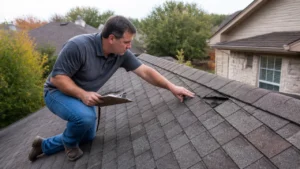
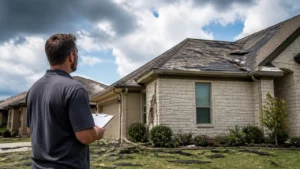
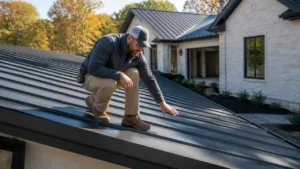
A good roof check starts with a careful look at the surface and the areas around seams, vents, and edges. These are common places where wear often shows up first because water and wind put pressure on them. When you know what to watch for, it becomes easier to spot the signs your commercial roof needs repair before the problem grows. It also helps you decide whether the issue is minor or needs fast attention.
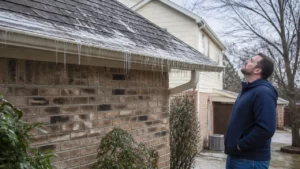
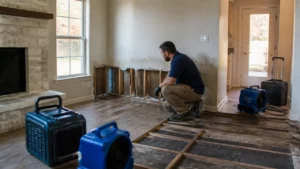
Inside the building, look for water marks, peeling paint, damp insulation, or musty odors near the ceiling. These clues can mean water is entering from above even if the roof itself looks fine from the ground. If storm activity has already affected the property, our storm damage restoration team can help assess the issue and plan the next move. Catching these signs early is one of the best ways to protect the structure and reduce repair costs.
How To Spot Commercial Roof Trouble
🔍 Step 1: Inspect the roof surface
Look for cracks, punctures, blisters, and lifted material on the roof surface. These are common warning signs that the roof membrane may no longer be doing its job.
🌧️ Step 2: Check for water stains inside
Walk through the building and look at ceilings, walls, and upper corners for discoloration. Water stains often show that moisture has already found a way in, even if the source is not obvious yet.
🧱 Step 3: Examine flashing and seams
Pay close attention to metal flashing, edges, and seams where different materials meet. These areas often fail first because they take a lot of stress during wind, rain, and heat changes.
🧰 Step 4: Look at drains and gutters
Make sure drains are clear and water can move off the roof properly. Standing water can speed up wear and may point to a slope or drainage problem that needs repair.
👀 Step 5: Watch for bubbling or soft spots
Press lightly on problem areas if it is safe to do so, and look for sections that feel soft or look raised. This can mean trapped moisture is damaging the layers under the surface.
💡 Step 6: Check energy use and comfort levels
Notice whether the building is harder to cool or heat than usual. A damaged roof can let conditioned air escape and make the system work harder than it should.
📋 Step 7: Document every concern
Take notes on where each issue appears and what it looks like. Clear records help you track changes and explain the problem more easily when repair work begins.
📞 Step 8: Arrange a professional review
Have a roofing professional inspect any signs that seem unusual or serious. A trained eye can confirm the problem, explain the risk, and guide the right repair plan.
Common DIY Mistakes To Avoid
Trying to handle roof problems alone can seem like a quick fix, but mistakes often make the damage worse. Many people miss early warning signs or focus only on the most obvious issue while deeper problems stay hidden. Knowing what not to do can help you avoid added cost and extra downtime.
- ⚠️ Mistake 1: Only checking the roof from the ground
This happens when people want a fast answer and do not climb up or inspect the full system. It can cause hidden damage around seams, drains, and edges to be missed. To prevent it, inspect both the roof surface and the inside of the building for matching signs of trouble. - 🚫 Mistake 2: Ignoring small stains or spots
A tiny mark on a ceiling or wall may seem harmless, so people often leave it alone. In many cases, that is the first sign of a leak that will grow over time. To prevent it, treat even small discoloration as a reason to look deeper. - ❌ Mistake 3: Sealing over damage without finding the source
This usually happens when someone wants a quick patch and skips the root cause. Water can still enter from another spot and keep spreading underneath. To prevent it, track down where the moisture is coming from before making any repair. - ⚠️ Mistake 4: Forgetting about drainage problems
People often focus on visible roof damage and overlook clogged drains or standing water. This can happen because drainage issues seem less urgent, even though they can wear down the roof fast. To prevent it, always check that water can move off the roof the right way. - 🚫 Mistake 5: Waiting too long to call for help
Some owners hope the issue will stay small or go away on its own. That delay often gives moisture more time to spread and damage the structure. To prevent it, get a professional review as soon as the warning signs appear.
Frequently Asked Questions
What are the most common signs your commercial roof needs repair?
Yes, the most common signs include water stains, cracked flashing, bubbling membranes, soft spots, and standing water. Signs your commercial roof needs repair often show up inside the building before the damage becomes obvious outside. Paying attention to both areas helps you catch problems early.
How do I know if a roof leak is coming from the commercial roof?
Yes, ceiling stains, damp insulation, and musty odors are strong clues that the leak is tied to the roof. The exact source may be higher or farther away than the visible damage inside the building. A careful inspection is the best way to confirm where the water is entering.
Can bad drainage cause commercial roof damage?
Yes, poor drainage can lead to standing water that wears down roof materials over time. When water does not move off the roof properly, it can speed up leaks and surface failure. Keeping drains clear is a key part of roof care.
How often should a commercial roof be inspected?
Yes, a commercial roof should be checked at least twice a year and after major storms. Regular inspections help catch small problems before they turn into bigger repair needs. A seasonal check is especially useful in places with strong sun, heavy rain, or sudden weather shifts.
Why is it important to act fast when I see roof damage?
Yes, fast action helps stop a small issue from spreading into a bigger and more costly one. Once water gets into the roofing system, it can affect insulation, structure, and indoor comfort. Acting early protects the building and helps reduce downtime.
Protect Your Roof Before The Damage Grows
Spotting roof trouble early is one of the smartest ways to protect a commercial property. By checking the surface, watching for indoor warning signs, and keeping drainage in mind, you can catch problems before they spread. That kind of attention can help save time, money, and stress.
If you are seeing signs your commercial roof needs repair, do not wait for the next storm to make things worse. A prompt inspection can give you the clear answers you need and help you plan the right fix. For more updates and project snapshots, follow us on social media.