• Gutter damage often starts with clogs, standing water, loose fasteners, and debris that slowly wear the system down over time.
• In Round Rock, TX, fall weather can make gutter problems worse by adding leaves, wind, and sudden rain to already stressed gutters.
• Simple steps like cleaning debris, checking drainage, and fixing small leaks early can help prevent bigger repairs later.
Why Gutter Damage Builds Up Over Time
When gutters start wearing down, the signs can be easy to miss at first. Small issues can turn into water overflow, siding stains, and even foundation trouble if they are ignored for too long. In Round Rock, TX, fall weather can bring leaves, wind, and fast-changing rain that put extra strain on your system, which is why we encourage early attention through our gutter services. If you are asking what causes gutter damage over time, the answer usually starts with small problems that keep getting worse.
Clogs are one of the biggest reasons gutters break down. When water cannot move the right way, it sits in the gutter, adds weight, and puts stress on the seams and hangers. That extra pressure can lead to bending, leaks, and pull-away damage along the roofline. Over time, the mix of trapped debris, moisture, and shifting weather can wear the system out faster than many homeowners expect.
Regular wear is often more than just age. Sun exposure, standing water, loose fasteners, and debris buildup all play a role in weakening gutters little by little. In a place like Round Rock, TX, where seasonal changes can move from dry heat to sudden rain, that cycle can speed up the damage. Knowing what to watch for helps us act before a small issue turns into a bigger repair.
What Weakens Gutters the Most
The most common causes of gutter trouble usually come down to debris, moisture, and poor drainage. Leaves, dirt, and shingle grit can collect in the channels and block water flow, which often leads to overflow and hidden rot. When gutters stay wet for long periods, metal parts can corrode and older materials can start to fail.
Installation problems can also make damage happen sooner. If gutters are pitched the wrong way or fastened too loosely, water may pool instead of draining, and the extra weight can pull sections away from the fascia. We also see problems when downspouts are too small or placed poorly, because water has nowhere efficient to go during heavy rain. That is why gutter care matters whether the system is new or several years old.
How to Handle Gutter Damage
🧭 Step 1: Look for visible warning signs
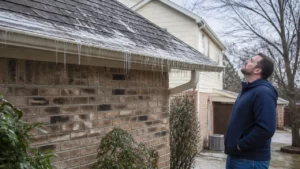
Walk around your home and check for sagging sections, rust spots, peeling paint, or water marks under the gutters. These signs often mean water is not moving the way it should, and catching them early can help prevent larger repairs.
🧹 Step 2: Clear out leaves and debris
Remove built-up debris from the gutters and downspouts so water can flow freely. Blockages are one of the main reasons gutters wear down over time, and a clean channel reduces stress on the whole system.
💧 Step 3: Watch how water drains during rain
During a storm or light rain, pay attention to where the water goes. If it spills over the sides or pools near the foundation, the gutter system may be clogged, misaligned, or damaged.
🔩 Step 4: Check for loose or separated sections
Look closely at the hangers, seams, and joints to see if anything has shifted. Loose parts can let water escape behind the gutter and can make the damage spread faster.
🛠️ Step 5: Repair small cracks and leaks quickly
Seal small leaks before they grow into larger openings. Tiny cracks may seem minor, but they can let water soak nearby materials and weaken the gutter system over time.
📐 Step 6: Confirm the slope is correct
Make sure the gutters are angled so water moves toward the downspouts. If the pitch is off, standing water can build up and add unnecessary weight.
🚿 Step 7: Test the downspouts
Run water through the system to see if it exits smoothly and far enough from the house. Backed-up or short-draining downspouts can keep water close to the home and increase the chance of damage.
📅 Step 8: Set a regular maintenance routine
Check gutters seasonally, especially after heavy wind or rain. Regular upkeep helps catch problems before they turn into costly repairs and keeps the system working the way it should.
Common DIY Mistakes to Avoid
Gutter work may seem simple, but small mistakes can make the problem worse. Many homeowners try to fix the most visible issue and miss the reason the damage started in the first place. When that happens, the same repairs have to be repeated, and the gutter system keeps breaking down.
The safest approach is to slow down and follow each step carefully. It also helps to think about how water moves across the roof and away from the home, not just what the gutter looks like on the surface. The mistakes below are the ones we see most often when people try to handle gutter problems on their own.
- ⚠️ Mistake 1: Ignoring small clogs
Small clogs are easy to overlook because the gutters may still look like they are working. They usually happen when leaves, dirt, or roof grit start to gather in the channels, and they can quickly lead to overflow if left alone. The best way to prevent this is to clean the system early and check it often, especially after windy weather. - ❌ Mistake 2: Missing hidden leaks
Some leaks are hard to see from the ground, so homeowners may assume the gutters are fine. This often happens when water is escaping at seams or behind loose sections, where the damage is not obvious at first. To prevent this, inspect joints closely and test the system with water when possible. - 🚫 Mistake 3: Leaving loose gutters in place
Loose gutters can sag, pull away, or hold water in the wrong spots. This usually happens when fasteners weaken over time or when added debris makes the gutters heavier than they should be. Prevent the problem by tightening loose sections before they start to separate from the home. - ⚠️ Mistake 4: Fixing the symptom, not the cause
Some people seal a crack but never check why the gutter cracked in the first place. That usually happens when drainage is poor, the pitch is off, or the downspout is blocked. Prevent repeat damage by checking the full system, not just the visible spot. - ❌ Mistake 5: Skipping routine checks after storms
After heavy rain or wind, damage can start even if the gutters looked fine before. This often happens because storms bring extra debris and pressure that expose weak spots in the system. Prevent it by making post-storm inspections part of your regular maintenance routine.
Frequently Asked Questions
What causes gutter damage over time?
Yes, gutter damage over time is usually caused by clogs, standing water, loose hardware, and exposure to weather. When debris stays in the system, it traps moisture and adds weight that can bend or weaken the gutters.
How often should gutters be cleaned?
Yes, gutters should be cleaned at least twice a year in most homes. In areas with lots of trees or seasonal wind, they may need attention more often to keep water moving properly.
Can clogged gutters really damage a home?
Yes, clogged gutters can damage a home by forcing water to overflow near the roof, siding, and foundation. That extra water can lead to staining, rot, soil erosion, and other costly issues.
What are the first signs of gutter problems?
Yes, the first signs often include sagging sections, water spilling over the edge, rust, and marks on exterior walls. These warning signs usually mean the system is not draining as it should.
Do seasonal changes affect gutters in Round Rock, TX?
Yes, seasonal changes in Round Rock, TX can affect gutters because wind, falling debris, and sudden rain all add stress to the system. Fall is especially important for inspections since leaves and storm shifts can make existing problems worse.
Keep Your Gutters Working Longer
The best way to protect your gutter system is to stay ahead of small problems before they spread. Regular cleaning, quick repairs, and seasonal checks can help limit the kind of wear that builds up over time. If you are seeing signs of trouble, acting early can save time, money, and stress later.
For homeowners in Round Rock, TX, fall is a smart time to pay attention to drainage and roofline issues. We are here to help you stay ahead of damage and keep your home protected through changing weather. To keep up with our latest updates, follow us on social media.