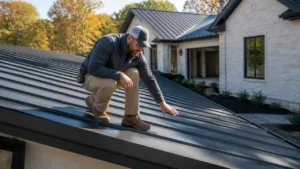
• Old gutters often show clear warning signs like cracking, sagging, rust, and overflow during rain.
• Fall is a smart time to check gutter condition in Universal City, TX before storms and leaf buildup make damage worse.
• Knowing when to replace gutters on your house can help protect your siding, foundation, and home from costly water damage.
Why Gutter Timing Matters in Fall
When when to replace gutters on your house comes up, timing matters more than many homeowners think. In Universal City, TX, fall weather can bring heavy rain and sudden storms that put old gutters to the test. If your gutter system is already cracked, loose, or sagging, small problems can turn into water damage fast.
We often see homeowners wait until water starts spilling over the sides before they take action. That delay can lead to stained siding, soaked soil near the foundation, and clogged drainage paths that only get worse with the next storm. A worn gutter system does not just look rough, it can also put your home at risk.
The good news is that the warning signs are usually easy to spot if you know what to look for. If your gutters are pulling away from the roofline or leaving puddles where they should not, it may be time to act. Our gutter services can help homeowners stay ahead of bigger repairs.
We know that October is a smart time to think about gutter condition because the weather can shift quickly in this season. Leaves, dust, and storm runoff can pile up fast, which makes weak gutters fail even sooner. If you are asking when to replace gutters on your house, fall is often the best time to check before winter brings more wear.
Gutters do more than move water away from the roof. They help protect the siding, foundation, and landscaping by sending runoff where it belongs. When they stop doing that job well, the damage can spread in ways that are easy to miss at first.
Our goal is to help homeowners make a simple choice before a minor issue becomes a costly one. A careful inspection now can save time, stress, and water damage later. That is why paying attention to the condition of your gutters in fall is such a practical move.
For many homes, gutter replacement is about age, visible damage, and how well the system handles rain. Even strong materials wear down over time, especially in places that see heat, sun, and sudden weather changes. If your gutters are already failing during a mild season, they are even less likely to hold up when the weather turns rough.
We also look at how the gutters are attached and whether water is draining properly after a storm. If sections are separated, rusted, or bent, patching may only buy a little time. In those cases, replacement is often the safer and more lasting option.
How to Know It Is Time for New Gutters
🔍 Step 1: Look for visible wear
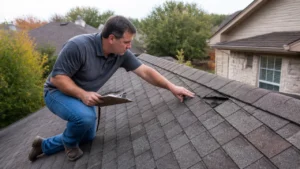
Check the gutters for cracks, rust spots, holes, and sections that seem bent or split. These signs often mean the system is aging and may no longer move water the way it should.
💧 Step 2: Watch how water flows
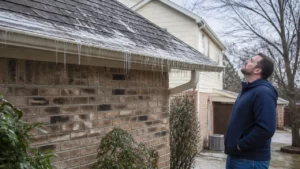
During rain, see whether water runs through the gutters or spills over the edges. Overflow can mean clogs, poor slope, or damage that makes replacement a better choice than another quick fix.
📏 Step 3: Check the alignment
Look for gutters that sag or pull away from the roofline. When gutters lose their shape, they cannot carry water properly and may add stress to the fascia.
🧱 Step 4: Inspect the home’s exterior
Look for peeling paint, water stains, or soil washout near the base of the house. These signs often show that water is escaping where it should not and may be linked to failing gutters.
🍂 Step 5: Clear away debris
Remove leaves and buildup so you can see the true condition of the system. Heavy debris can hide damage, and it can also speed up wear by holding moisture against the metal or seam joints.
🛠️ Step 6: Test the downspouts
Make sure water moves freely through the downspouts and away from the house. If water backs up or drains too slowly, the system may be too worn or clogged to work well.
📅 Step 7: Consider the season
In fall, storms and falling leaves can make weak gutters fail faster. Checking them before winter helps you avoid water problems when weather patterns become harder on the home.
👷 Step 8: Decide on repair or replacement
If the damage is small, a repair may be enough. If the gutters have several problem spots, replacement is usually the more practical long-term answer.
Common DIY Mistakes to Avoid
Many homeowners try to handle gutter problems on their own, but a few simple missteps can make the issue worse. These mistakes often happen because the damage looks small at first or because people want a fast fix. Knowing what to avoid can help you make a better decision about when to replace gutters on your house.
-
⚠️ Mistake 1: Ignoring small cracks
Small cracks may seem harmless, but they usually grow as water keeps moving through the system. This happens because people assume a tiny split will not matter, but moisture can widen weak spots over time. Prevent it by checking the full length of the gutter and replacing damaged sections before the problem spreads. -
⚠️ Mistake 2: Cleaning without checking slope
Clearing out leaves is helpful, but it does not fix gutters that are hanging at the wrong angle. This mistake happens when homeowners focus only on debris and forget that water needs the right path to flow out. Prevent it by watching how water moves after cleaning and looking for sagging areas. -
⚠️ Mistake 3: Missing hidden water damage
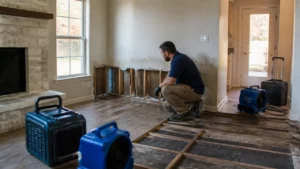
Some people only look at the gutters themselves and miss stains, soft wood, or drainage marks on nearby surfaces. That happens because the damage can show up in the siding, fascia, or ground before the gutter looks broken. Prevent it by checking the area around the system, not just the gutter channels. -
⚠️ Mistake 4: Waiting through storm season
Delaying action until after repeated rain can turn a manageable issue into a larger repair. This usually happens when homeowners hope the system will last one more season, even though the signs are already clear. Prevent it by acting as soon as you see sagging, overflow, or rust. -
⚠️ Mistake 5: Choosing patch jobs for major damage
Quick fixes can help in the short term, but they do not solve widespread wear or failing joints. This happens when a homeowner wants to avoid a bigger project, even though the system is already past its best shape. Prevent it by replacing gutters that show repeated problems in more than one section.
Frequently Asked Questions
How do I know when to replace gutters on your house?
Yes, there are clear signs that tell you when to replace gutters on your house. Look for sagging sections, rust, cracking, overflow during rain, and water damage near the foundation or siding. If several of these problems show up together, replacement is usually the smarter choice.
Can old gutters still work if they only have a few problems?
Yes, old gutters can still work if the damage is minor and limited to one area. If the system has repeated leaks, poor drainage, or sections pulling away from the roof, repairs may not last long. In that case, replacement is often more dependable.
Why is fall a good time to check gutters in Universal City, TX?
Yes, fall is a good time because leaves, storms, and changing weather can expose weak spots fast. In Universal City, TX, that extra strain can make damaged gutters fail when they are needed most. Checking them in October helps catch problems before winter weather adds more stress.
What happens if I wait too long to replace damaged gutters?
Yes, waiting too long can lead to water damage around the home. Overflowing gutters can harm siding, soil, fascia, and the foundation area over time. The longer the system stays weak, the more likely the damage will spread.
Is gutter replacement better than repeated repairs?
Yes, gutter replacement is often better when the system has multiple weak points. Repairs can make sense for small issues, but repeated fixes usually mean the gutters are nearing the end of their life. A new system gives better protection and more reliable drainage.
Wrap-Up: Protect Your Home Before Damage Starts
Knowing when to replace gutters on your house helps you stay ahead of water damage and seasonal wear. In fall, that matters even more because storms and debris can quickly expose weak spots. A careful inspection can help you decide whether a repair or full replacement makes the most sense.
We believe the safest choice is the one that protects your home before small problems grow. If your gutters are sagging, leaking, or no longer moving water the right way, it is time to take action. For more updates and helpful home care tips, follow us on social media.