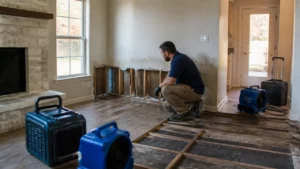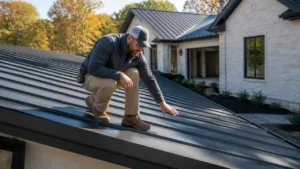
• Storm damage can create hidden roof problems fast, so early action matters. This guide shows what to check, what to avoid, and how to protect your home from more damage.
• You will learn a simple step-by-step process for handling roof storm damage safely. The blog also explains common DIY mistakes and answers key questions homeowners often ask.
• Fast repairs can help reduce leaks, water stains, and interior damage after a storm. This post gives clear guidance for taking the right next steps with confidence.
Act Fast After Storm Roof Damage
Storms can leave a roof looking fine from the ground while hiding real damage above. Shingles can lift, flashing can shift, and small openings can let water move into places you may not notice right away. In Live Oak, TX, fall storms can still bring heavy rain and strong wind, so quick action matters.
If you are asking what to do when storm damages your roof, the first step is to stay safe and avoid climbing up to check it yourself. A wet or weakened roof can be dangerous, and damage is not always easy to spot from outside. We help homeowners take the next right step before a small problem turns into a larger repair.
Water intrusion can spread fast once it gets under roofing materials. Even a short delay can lead to stained ceilings, soaked insulation, and damage inside the home. If you need help right away, our storm damage restoration services are built to respond when your roof needs attention fast.
Know What Roof Damage Looks Like
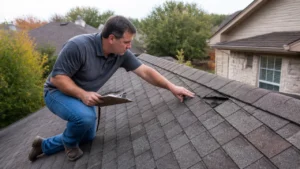
Not all storm damage looks dramatic, and that is what makes it tricky. Missing shingles, loose granules, dented metal, and damaged flashing are all signs that a roof may need repair. We also look for soft spots, lifted edges, and debris impact that can weaken the roof surface.
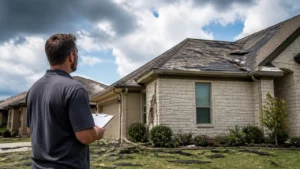
A good inspection starts with safety and a careful look from the ground, attic, and accessible areas. Inside the home, water stains, dripping, or damp insulation can point to a roof problem even if the roof itself looks mostly intact. When storm damage is suspected, quick roof damage assessment helps limit further problems and gives a clear picture of what needs to be fixed.
If the damage is severe, temporary protection may be needed before repairs begin. That can help stop more water from getting in while a full repair plan is put together. Acting early protects both the roof structure and the rooms below it.
Step-by-Step Guide
🔍 Step 1: Check for Immediate Safety Risks
Before anything else, make sure the area is safe for everyone in the home. Look for fallen lines, broken glass, or water that may have reached electrical areas, and stay away from places that feel unsafe. This first step matters because a damaged roof can lead to hazards inside the home too.
📸 Step 2: Document the Visible Damage
Take clear photos of missing shingles, dented vents, debris, and any water spots inside the home. These images help show what happened after the storm and can be useful for repair planning. Good records also help keep track of how the damage changes over time.
🏠 Step 3: Inspect from the Ground and Attic
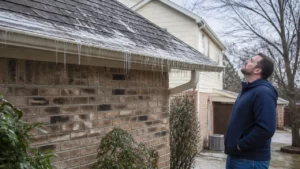
Look at the roof from a safe spot on the ground and check the attic for damp spots or daylight coming through. Ground-level checks can reveal missing materials, while the attic can show hidden leaks. This matters because storm damage is often easier to spot from inside than from outside.
🛠️ Step 4: Cover Open Areas if Needed
If you can safely see an opening or exposed section, protect it from more rain as soon as possible. Temporary coverage can reduce the chance of added water damage before repairs begin. This is a common short-term step when homeowners need fast protection after a storm.
📋 Step 5: Contact a Roofing Professional
A trained roofer can find damage that is easy to miss and explain what needs repair. This helps you avoid guessing about the condition of the roof and keeps the repair plan grounded in real findings. When homeowners wonder what to do when storm damages your roof, getting a pro involved is one of the smartest moves.
💼 Step 6: Review Your Insurance Details
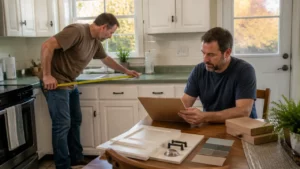
Check your policy and note what it says about storm damage, time limits, and required documentation. Understanding the basics early can make the claims process easier and help you avoid missed steps. Keep your photos and notes together so you have what you need if a claim is filed.
🧹 Step 7: Clear Debris Around the Home
Remove loose branches, shingles, and other debris from around the house if it is safe to do so. This helps reduce trip hazards and makes it easier to inspect the property. It also gives repair crews better access when they arrive.
✅ Step 8: Schedule Repairs Quickly
Do not wait too long once the damage is confirmed. Even small roof issues can grow when the next rain arrives, so timely repair helps protect the home. Fast action is especially important in fall, when weather can shift quickly in Live Oak, TX.
Mistakes People Make After Roof Storm Damage
When a storm hits, it is easy to feel rushed and try to fix things too quickly. That can lead to more damage, missed warning signs, or unsafe choices. The best approach is to stay calm, follow a safe process, and avoid shortcuts.
- ⚠️ Mistake 1: Climbing onto the Roof Too Soon
Many homeowners want to check the roof right away, but that can be risky after wind and rain. It often happens because the damage looks small from below, yet the roof may still be slick or unstable. Prevent it by inspecting from the ground first and letting a professional handle close-up checks. - ❌ Mistake 2: Ignoring Small Signs of Damage
A few missing shingles or a tiny water stain may not seem serious at first. People usually overlook these signs because the home still looks mostly fine. Prevent bigger repairs by treating even small changes as possible storm damage. - 🚫 Mistake 3: Waiting Too Long to Act
Delaying repairs gives water more time to spread inside the home. This happens when people hope the issue will stay minor or wait for the next dry day without making a plan. Prevent it by arranging an inspection and temporary protection as soon as possible. - ⚠️ Mistake 4: Using Poor Temporary Coverage
Some homeowners try to cover damage with materials that do not seal well or hold up in wind. This often happens when they are trying to save time or money. Prevent it by using proper emergency protection methods until permanent repairs are made. - ❌ Mistake 5: Filing a Claim Without Good Records
Insurance claims can become harder when there are no clear photos or notes of the damage. People often skip documentation because they are focused on the repair itself. Prevent this by recording the roof condition, the date of the storm, and any signs of interior water damage right away.
Frequently Asked Questions
What should I do first after storm damages my roof?
Yes, the first step is to make sure everyone is safe and keep away from any area that looks unstable. After that, document the damage with photos and arrange a professional inspection as soon as possible.
How do I know if my roof has storm damage?
Yes, storm damage often shows up as missing shingles, dented metal, loose flashing, or water stains inside the home. If you notice any of these signs, the roof should be checked soon before the problem spreads.
Can I stay in my home after roof storm damage?
Yes, many people can stay in their home if the damage is limited and there is no active leak or safety issue. If water is coming in, ceilings are sagging, or electrical areas are affected, the home should be treated with more caution.
Should I cover the roof myself after a storm?
Yes, temporary protection can help if there is visible exposure, but only if it can be done safely. If the area is unsafe or hard to reach, it is better to wait for trained help than risk injury.
What to do when storm damages your roof and I need help fast?
Yes, the best move is to get an inspection, secure any exposed areas, and begin the repair process quickly. Fast action helps limit water damage and gives you a clearer path toward restoration.
Finish Strong After the Storm
Storm damage can feel stressful, but a clear plan makes the next step easier. When you act quickly, document the damage, and get the right help, you protect both your roof and the rest of your home. That is the safest path forward when storm weather leaves you wondering what to do next.
We serve Live Oak, TX with a focus on fast response and practical roof care after severe weather. If you want to stay connected with our team, follow us on social media.