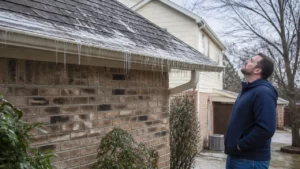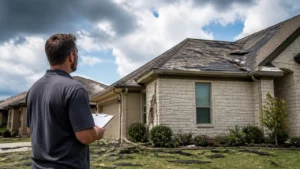
• Know the right time to act: If your roof is damaged by hail, wind, or heavy rain, filing quickly can help protect your claim and limit more damage. Waiting too long can make it harder to show what happened and when it happened.
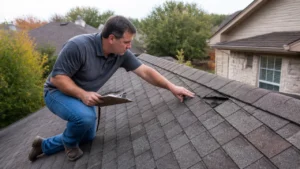
• Watch for the warning signs: Missing shingles, ceiling stains, attic moisture, and dented roof parts can all point to a roof problem that may need an insurance claim. A fast check after a storm can help you catch issues before they spread.
• Keep good records: Photos, notes, and repair paperwork can help support your case if you decide to file. These details make it easier to show the insurer that the damage was sudden and not from long-term wear.
Why Timing Matters After Roof Damage
After a storm rolls through Leon Valley, roof damage can move from minor to costly fast. If you wait too long, a small issue can spread to shingles, decking, and even the inside of your home. That is why knowing when to file an insurance claim for roof damage can protect both your roof and your wallet.
The tricky part is that not every mark or missing shingle calls for the same response. Some damage is easy to miss from the ground, while other problems show up only after another heavy rain or a close roof check. We help homeowners at our insurance claim support page understand what to look for before time slips away.
In fall, Texas weather can still bring strong wind, heavy rain, and sudden storms that leave hidden roof issues behind. A roof that looks fine at first may still have cracks, lifted edges, or moisture inside the structure. Acting early gives you a better chance to document the damage and keep the repair process on track.
What Homeowners Should Watch For
The best time to file is usually right after a storm or after you spot clear signs of roof trouble. Missing shingles, dents from hail, ceiling stains, and damp attic wood are all strong warnings that deserve attention. If the damage came from a sudden event, your next step should be to document it as soon as you can.
Insurance companies often want proof that the problem came from a recent event and not from long-term wear. That means photos, notes, and a roof check can all help support your case. When you understand when to file an insurance claim for roof damage, you can avoid delays that may make the process harder later.
Tips from the Pros
🌧️ Tip 1: Check Right After a Storm
Look at your roof as soon as it is safe after strong wind, hail, or heavy rain. Fast action helps you catch fresh damage before more weather makes it worse.
📷 Tip 2: Take Clear Photos
Photograph shingles, gutters, vents, and any indoor spots where water got in. Clear pictures can help show the condition of the roof right after the damage happened.
🔎 Tip 3: Inspect the Attic Too
A roof problem often shows up inside before it becomes obvious outside. Look for wet insulation, dark stains, or daylight coming through the roof boards.
📅 Tip 4: Act Before the Next Big Rain
Do not wait for another storm if you already see damage. Filing sooner can help prevent added leaks and limit how much the problem spreads.
🛠️ Tip 5: Save Any Repair Records
Keep receipts, estimates, and notes about past roof work. This paperwork can help show what changed and when the damage likely started.
📋 Tip 6: Read Your Policy Terms
Your policy may have time limits for reporting storm damage. A quick review helps you understand the window for making a claim and what your coverage may include.
🏠 Tip 7: Watch for Interior Water Spots
Ceiling spots, peeling paint, and soft drywall can point to roof trouble above. Even a small stain can mean water is getting through and should not be ignored.
📞 Tip 8: Get a Roof Check if You Are Unsure
If you cannot tell how serious the damage is, a roof check can give you a clearer picture. That can help you decide whether filing a claim is the right move now.
Frequently Asked Questions
When should I file an insurance claim for roof damage?
You should file as soon as possible after a storm or sudden event causes visible damage. Quick reporting helps protect your claim and gives the insurer a better look at the original damage.
What roof damage is usually covered by insurance?
Yes, sudden damage from wind, hail, falling debris, or similar events is often covered. Normal wear, old age, and lack of maintenance are usually handled differently.
Can I wait to file a claim if the damage seems small?
No, waiting can make the damage harder to prove and may lead to bigger repairs later. Small roof issues can grow fast once more rain or wind hits the area.
Do I need photos before filing a roof claim?
Yes, photos are very helpful before you file an insurance claim for roof damage. They can show what happened, when it happened, and how serious the problem looked at the start.
Should I file a claim for every roof leak?
No, not every leak should turn into a claim right away. If the leak comes from old age or minor wear, the repair cost may be better handled outside of insurance.
Closing Thoughts on Roof Claim Timing
Knowing when to act can make a big difference after roof damage hits your home. The sooner you spot the signs, document the problem, and decide on the next step, the better you can protect your property from more harm.
In Leon Valley, fall weather can still create the kind of roof issues that deserve fast attention. If you want to stay informed and see what we share for homeowners, follow us on social media.