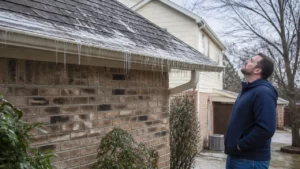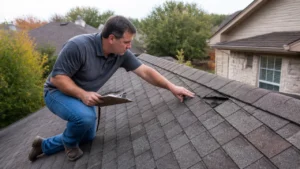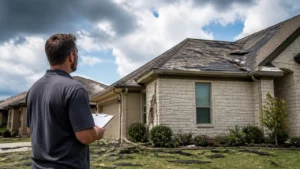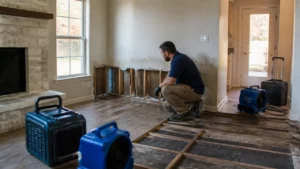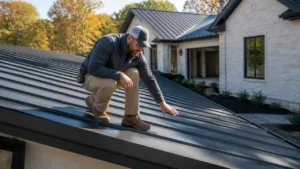
• Heavy rain can expose roof problems like damaged shingles, weak flashing, clogged gutters, and worn seals around vents or skylights.
• Small leaks can quickly turn into bigger water damage, so it helps to inspect the attic, roof edges, and other weak spots right after a storm.
• Simple checks and fast action can protect your home, limit repair needs, and help you catch roof leaks before they spread.
Why Roof Leaks Show Up After Heavy Rain
When a strong storm moves through Leon Valley, even a small weak spot on a roof can turn into a real problem fast. Homeowners often notice ceiling stains, dripping water, or damp walls only after the rain has already done its damage. That is why what causes roof leaks after heavy rain matters before the next storm rolls in. If you are already seeing signs of trouble, our storm damage restoration team can help you act quickly.
Heavy rain puts pressure on every part of the roof system, from shingles to flashing to gutters. Water does not need a large opening to get inside, and once it finds a path, it can spread in ways that are hard to trace. A leak that seems small today can lead to bigger repair needs if it is left alone too long. In fall weather, short rain bursts can still expose roofing problems that have been building up over time.
The good news is that many leaks start with warning signs that are easy to miss at first. Loose shingles, worn seals around vents, and clogged drainage points are all common trouble spots. When we understand what causes roof leaks after heavy rain, we can stop water damage before it grows. That kind of awareness helps protect both the roof and the home inside it.
Where Heavy Rain Finds Roof Weakness
One of the most common causes of roof leaks is damaged or aging shingles that no longer shed water the way they should. Cracked flashing around chimneys, skylights, and valleys can also let rain slip into the roof structure. In some cases, clogged gutters force water to back up and move under roofing materials instead of away from the home. We often see these issues after a weather system passes through Leon Valley and brings more rain than the roof can handle.
Another problem is hidden roof wear that only shows up during storms. Small gaps in the underlayment, loose fasteners, and poor sealant around roof penetrations can all allow water inside. If the leak starts in one spot and appears somewhere else indoors, the source may be farther up the roof than expected. Our residential roofing services are designed to help identify those trouble areas before more water gets in.
Tips from the Pros
🌧️ Tip 1: Check for Missing or Lifted Shingles
Missing or lifted shingles can leave the roof open to rainwater during a storm. Even a small patch of damage can let water seep below the surface and reach the roof deck.
🔎 Tip 2: Look Closely at Roof Flashing
Flashing protects the weak spots around chimneys, vents, and roof joints. If it is bent, rusted, or pulling away, water can slip through during heavy rain.
🪣 Tip 3: Keep Gutters Free of Debris
Clogged gutters can send water back toward the roof instead of away from the house. That extra water can work its way under shingles and cause leaks after a storm.
🏠 Tip 4: Watch for Stains in the Attic
Dark spots, damp insulation, or a musty smell in the attic can point to a roof leak. These signs often show up before water stains appear on ceilings inside the home.
🛠️ Tip 5: Check Roof Valleys After Rain
Roof valleys carry a lot of water during heavy rainfall, so they are common leak points. If shingles are worn or debris is trapped there, water can move into the roof system.
🧱 Tip 6: Inspect Around Skylights and Vents
Any opening in the roof is a possible entry point for water. The seals around skylights, pipes, and vents should stay tight and in good shape.
🌪️ Tip 7: Act Fast After Storm Damage
The sooner a roof is checked after heavy rain, the easier it is to limit damage. Waiting can turn a small leak into a bigger repair inside the home.
📋 Tip 8: Schedule Regular Roof Checks
Routine checks help catch worn materials before the next storm hits. This is especially useful in seasons when rain can arrive fast and expose weak spots right away.
Frequently Asked Questions
What causes roof leaks after heavy rain?
Roof leaks after heavy rain are usually caused by damaged shingles, weak flashing, clogged gutters, or worn sealant around roof openings. Water follows the easiest path inside, so even a small gap can lead to a leak.
How can I tell if my roof is leaking after a storm?
You can tell if your roof is leaking after a storm by looking for ceiling stains, damp walls, dripping water, or wet spots in the attic. A musty smell indoors can also point to hidden moisture.
Can clogged gutters cause roof leaks?
Yes, clogged gutters can cause roof leaks because backed-up water may pool along the roof edge and slip under shingles. When water cannot drain the way it should, it often finds another way into the home.
Why does a roof leak only happen during heavy rain?
A roof may only leak during heavy rain because the amount of water is enough to overwhelm weak spots in the roof system. Light rain may not be enough to show the problem, but stronger rainfall can push water through gaps and worn areas.
Should I worry if a roof leak seems small?
Yes, a small roof leak should still be taken seriously because water can spread inside walls, insulation, and framing. Even a slow drip can lead to larger repair needs if it is ignored.
Final Thoughts on Storm-Related Roof Leaks
Heavy rain can expose roof problems that stayed hidden for months, which is why quick action matters. When we know what to watch for, we can protect the home from water damage and avoid bigger repair costs later. In Leon Valley’s fall weather, staying alert after a storm can make all the difference. If you want a closer look at your roof, follow us on social media