• Check for visible roof damage right after a storm, including missing shingles, dented surfaces, and water stains inside the home.
• Act quickly to limit leaks, protect your home from more damage, and get help with storm damage support for residential roofing.
• Use simple inspection tips to spot warning signs, document issues, and know when it is time to call a roofing professional.
Act Fast After Summer Storms Hit Your Roof
When a summer storm rolls through Leon Valley, roof damage can happen faster than most homeowners expect. Missing shingles, bruised surfaces, and loose flashing can let water in before you notice a problem. That is why storm damage support for residential roofing matters right away.
Small issues often turn into bigger repairs when heat and rain keep hitting the same weak spots. A roof that looks fine from the ground may still have hidden damage under the surface. We help homeowners catch these problems early so they do not grow into costly headaches.
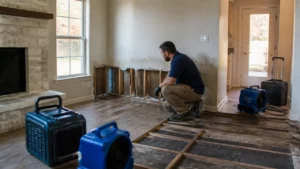
If your home has taken a hit, fast action can protect the structure inside as well as the roof itself. Delays can lead to leaks, stains, and damaged insulation that spread beyond the first impact point. Our team at storm damage restoration services can help you respond before the damage gets worse.
What Homeowners Should Know After Storm Damage
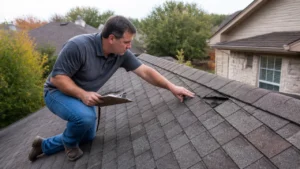
Roof damage is not always obvious, especially after wind or hail passes through quickly. Even a few lifted shingles can leave your home open to water entry during the next rain. That is why careful checking is so important after any strong summer storm.
A proper roof check should look for torn materials, granule loss, dents, and soft areas that may signal impact. Inside the home, water spots or a musty smell can point to a roof issue that needs attention. When we inspect a roof, we look for both the visible damage and the hidden signs that often get missed.
For homeowners who need help sorting out damage and next steps, storm damage support for residential roofing should focus on safety, speed, and clear communication. We work to identify the problem, protect the home, and guide the repair process in a way that makes sense. That approach helps families feel more in control after a stressful weather event.
Tips from the Pros
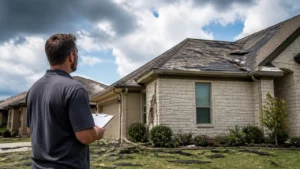
🌩️ Tip 1: Check for damage right after the storm
Look for missing shingles, loose flashing, and debris on the roof or in the yard. These are often early signs that your roof took a hit and may need attention soon.
🔎 Tip 2: Watch for water stains indoors
Brown spots on ceilings or walls can point to a roof leak that started during the storm. Even a small stain can mean water is finding a way inside.
🛠️ Tip 3: Do not climb the roof yourself
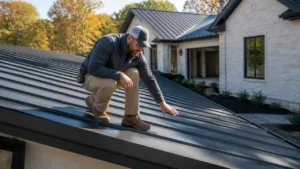
A storm-damaged roof can be slippery and unstable, especially in summer heat. It is safer to inspect from the ground and leave the close check to trained professionals.
📋 Tip 4: Take clear photos of what you see
Pictures of shingles, dents, and interior leaks can help document the damage. This record is useful when deciding on repairs or handling an insurance claim.
🌬️ Tip 5: Check for wind lift along roof edges
Strong winds often loosen shingles at the edges first. If those areas are lifted, water can get underneath and spread damage fast.
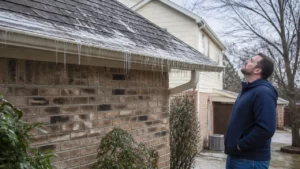
🧰 Tip 6: Look at gutters and downspouts too
Storms can fill gutters with debris or knock them loose, which can send water back toward the roof. Gutter issues can make roof damage worse if they are not handled quickly.
🧾 Tip 7: Keep repair notes in one place
Write down the date of the storm, what you noticed, and any steps you took afterward. Simple notes help keep the repair process clear and organized.
🏠 Tip 8: Act before another storm arrives
In summer, weather can change again quickly and turn a small roof issue into a bigger one. Fast repairs help protect your home from the next round of rain or wind.
Frequently Asked Questions
What should I do first after storm damage to my roof?
Yes, the first step is to check for visible damage from the ground and protect the home from water entry if needed. Then arrange a professional inspection so hidden problems are not missed.
How do I know if my roof has hail damage?
Yes, hail damage often shows up as dents, bruised shingles, or granule loss on asphalt roofs. You may also notice cracks, soft spots, or leaking after the storm.
Can a small roof leak get worse after summer storms?
Yes, a small leak can spread quickly when heat, wind, and rain keep stressing the same area. Moisture can move into insulation, wood, and ceilings if it is not addressed soon.
Do I need professional help for storm damage support for residential roofing?
Yes, professional help is important because storm damage is often harder to spot than it looks. A trained roofer can find weak points, document damage, and recommend the right repair path.
How soon should I schedule a roof inspection after a storm?
Yes, it is best to schedule one as soon as it is safe to do so. Early inspection helps limit further damage and gives you a clearer picture of what your roof needs.
Wrapping Up After the Storm
Storm damage can move fast, but the right response can keep a small roof issue from turning into a major repair. Homeowners in Leon Valley should pay close attention after summer weather because heat, wind, and rain can work together to weaken a roof. We focus on clear steps, quick action, and lasting protection when roofs need care.
If your home has taken a hit, staying alert and acting early can make all the difference. storm damage support for residential roofing is about protecting your home before the damage spreads and creates more stress. For more updates and helpful roofing moments, follow us on Instagram.